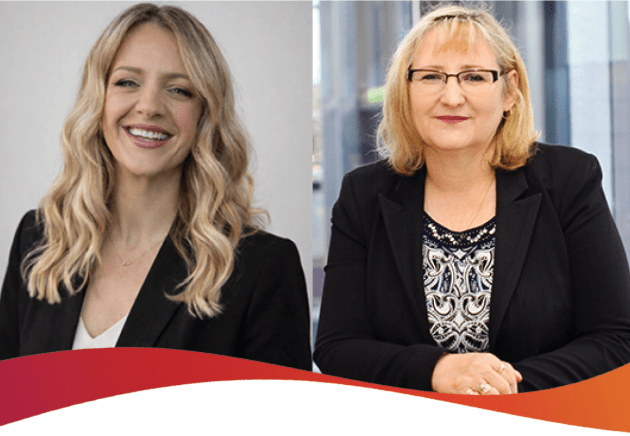
Ahead of International Women’s Day on 8 March, PKN speaks to two women at opposite stages of their careers inside Orora’s Gawler glass operations – highlighting leadership, technical mastery and the evolving face of heavy manufacturing.
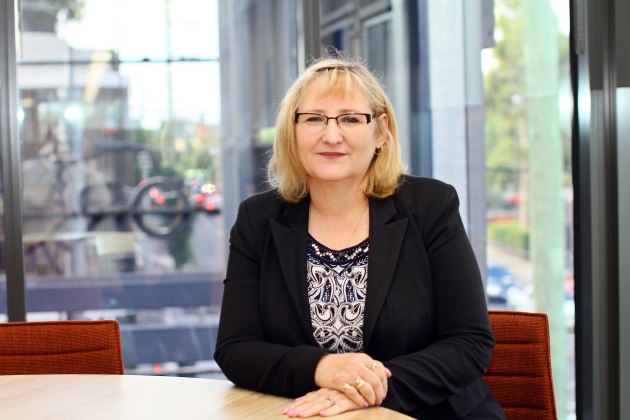
Kerry Tate, COO Glass Operations, has a strong background in supply chain leadership, and has spent close on a decade at Orora, starting there as commercial lead in 2016.
PKN: You lead Orora’s glass operations at Gawler, one of the most complex manufacturing environments in Australian packaging. What does your role encompass day to day, and where are you currently focused?
KT: My role spans operations, quality, engineering, customer service, and supply chain. Day to day, my primary focus is on our people. Glass manufacturing is demanding and highly technical, and we’re fortunate to have a deeply skilled and committed team. My role is to remove barriers, ensure clarity and alignment, and create an environment where our people can perform safely, effectively, and at their best.
PKN: Glass manufacturing is capital‑intensive, energy‑intensive, and highly technical. What leadership capabilities are essential to successfully run a modern glass operation?
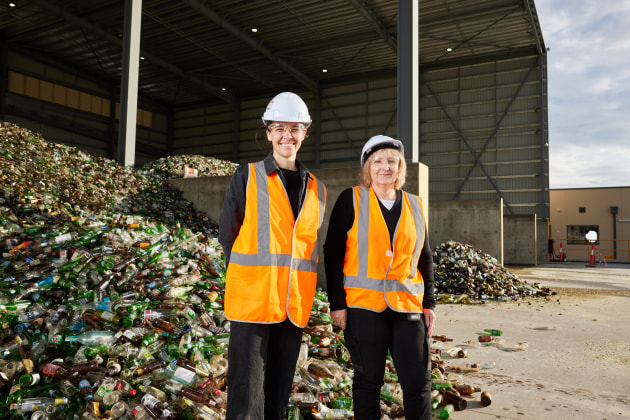
KT: Strong technical understanding is essential, but it doesn’t mean leaders need to be experts in every task. What matters is having a genuine appreciation for the complexity of the process and the demands placed on the team. Earlier in my career, I completed a basic operator course, which gave me valuable insight into the realities of the operation. That grounding helps me make better decisions, ask the right questions, and lead with credibility and respect for the expertise on the floor.
PKN: The packaging industry is under increasing pressure to decarbonise while maintaining performance and supply security. How is Orora’s glass business navigating that balance?
Sustainability is fundamental to how we operate at Orora. We are focused on supporting the circular economy by maximising recycled content and minimising waste. At the same time, we’re reducing greenhouse gas emissions through initiatives such as our oxygen‑fired furnace technology and increased cullet usage. These investments allow us work toward achieving our sustainability goals while continuing to deliver reliable supply and performance for our customers.
PKN: You’ve built your career in a traditionally male‑dominated sector. What shifts have you observed in culture and opportunity for women in heavy manufacturing over the past decade?
KT: Over the past decade, there has been a clear and positive shift in both culture and opportunity for women in manufacturing. There is now stronger recognition that diverse leadership styles add value and that people leadership is just as critical as technical capability. Development pathways are clearer, safety and flexibility standards have improved, and women are being more actively supported into operational and leadership roles. At Orora, initiatives such as our Women in Leadership program are helping to build a strong pipeline of future female leaders.
PKN: For women considering a career in packaging manufacturing, particularly in operational leadership, what advice would you offer?
KT: Start by building a strong operational foundation and back yourself. Seek out hands‑on experience in functional roles and don’t wait until you feel “fully ready” to step into leadership opportunities. Technical understanding is important, but curiosity, resilience, and strong people leadership are just as critical. Look for organisations that invest in development through structured pathways, mentoring, and leadership programs, and be proactive about learning –whether that’s on the floor, through formal training, or by taking on challenging roles.
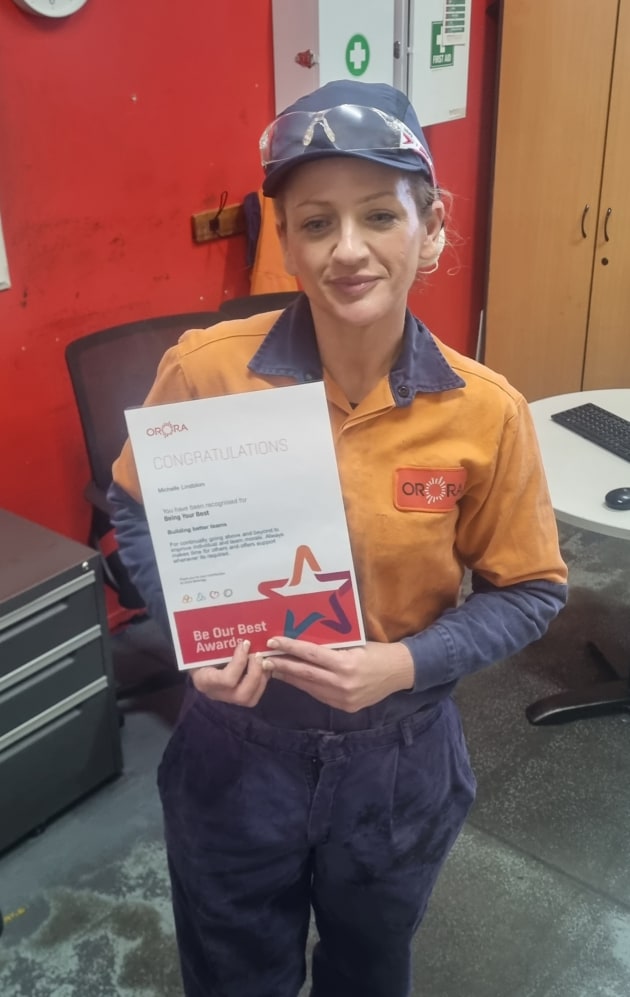
Michelle Lindblom is production operator at Orora Glass. She is the first woman to complete Orora's Certificate III in Manufacturing, which also means she has met all the internal competencies required to fully run a line.
PKN: What does that qualification actually look like in day-to-day practice?
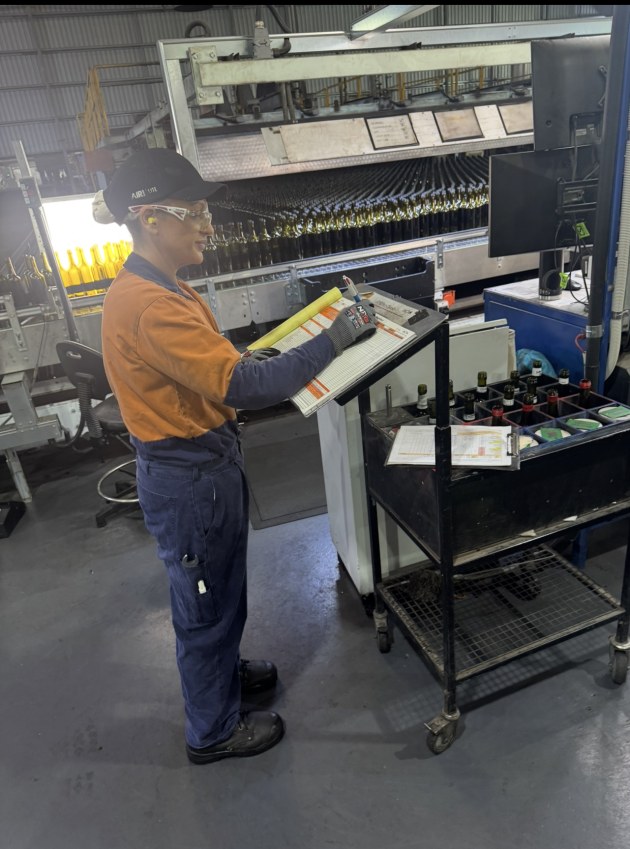
ML: The Certificate III in Manufacturing involves hands-on experience across the hot end, cold end, and packaging. My role includes assisting line leaders, performing routine checks and gear changes and training new team members.
For major faults or breakdowns, including electrical issues, I notify the team leader, shift manager, or electrician to ensure problems are addressed promptly. This keeps machines running efficiently and effectively.
Being the first female at our site to achieve this qualification is something I’m proud of, and I aim to create a supportive environment where everyone feels confident to ask questions and learn.
PKN: What were some of the biggest challenges on the way to this level, and what helped you grow?
ML: One of the biggest challenges was building confidence in a technically demanding, physically challenging environment where safety and risk management are critical. This is particularly true when working at the hot end of the process.
I sometimes held back early on, but I learned that being myself, contributing ideas, and connecting with the team helped me grow faster.
I’ve also developed the ability to communicate openly across all levels and departments, which allows me to gather knowledge and collaborate effectively. Support from my shift manager, team leaders, coworkers, and forming specialists has been invaluable, and I try to bring that same encouragement to my teammates.
PKN: What surprised you most about working in glass manufacturing?
ML: I was surprised by how much teamwork and collaboration impact success. The work can be physically demanding and intense, yet a positive, supportive culture ensures quality and efficiency.
Even in this environment, I’ve found it’s okay to embrace who you are — I enjoy a laugh and sharing snacks with my coworkers. I keep a bit of my feminine style while still rolling up my sleeves and working hard. I like the finer things in life, including beauty treatments, shopping, handbags, and dining out, but I’m equally happy with a $6.95 McSmart Meal with cheeseburger minus ketchup, minus mustard, extra onion.
I also naturally stand up for what I believe is right and look out for others, making sure teammates feel included, supported, and comfortable. Balancing personality, humour, and professionalism helps lift morale and create a positive team environment.
PKN: Have you had mentors or champions who supported your journey, and what difference did that support make?
ML: Yes, mentorship has been essential. Guidance from my managers and leaders, coworkers, and forming specialists helped me build technical knowledge, confidence, and problem-solving skills.
Through this support, I’ve learned to communicate openly and confidently across all levels of hierarchy, leveraging expertise wherever it exists to solve problems effectively and contribute to team success. I now aim to share knowledge and foster collaboration with newer team members, while maintaining a positive, inclusive, and supportive work environment.
PKN: What would you say to other women considering a manufacturing role at Orora?
ML: I would encourage women to pursue opportunities in manufacturing at Orora without hesitation. Success depends on skill, determination, and problem-solving rather than gender. Seek guidance from mentors, collaborate across teams, and embrace learning opportunities.
Working at Orora allows you to grow, take on leadership roles, and make meaningful contributions. In my experience it’s possible to be both professional and true to yourself, while thriving in a hands-on, challenging and rewarding environment.