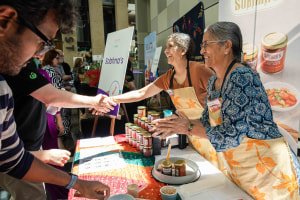
Wandarra, an Australian agri-manufacturer headquartered in Townsville, presented its packaging capabilities at the recent ReGen expo in Sydney, with a focus on sustainable, plant-based materials designed to replace conventional packaging.
The company’s packaging subsidiary, HulkPack, offers moulded fibre packaging made from renewable plant fibres, including hemp. The product range includes food trays, clamshells, refill cups and fibre bottles. HulkPack says these are designed to “protect product safety, reduce environmental impact and optimise storage and transport costs”.
Wandarra positions HulkPack as an alternative to single-use plastic and composite packaging, which it says “no longer meet rising demands for sustainability, safety and compliance”. According to the company, hemp is a suitable packaging input due to its fast growth, carbon-capture potential, and soil health benefits.
The company’s packaging business is part of a broader integrated industrial model, which includes operations in health and wellness, agriculture, and building materials. Wandarra’s vertically integrated approach includes everything from hemp crop cultivation to product development and manufacturing.
Wandarra’s group structure includes multiple subsidiaries such as Wandarra Primary Production, Wandarra Health & Wellness, and Australian Hemp Supply. Its packaging activities are carried out under Wandarra Sustainable Packing, in partnership with German technology firm PAPACKS.
Wandarra says it contributes to 11 of the United Nations Sustainable Development Goals, including responsible production, climate action, and sustainable cities.
The company markets its approach as SMARTS: sustainable materials and regenerative transformation systems, combining packaging with other applications in nutrition, health, and industrial manufacturing.