


Panasonic Energy, a subsidiary of Panasonic Group, is introducing new paper-based packaging for its consumer batteries in Australia, significantly reducing plastic usage by 75 per cent.
The company says this eco-conscious initiative is expected to eliminate approximately 500 kg of plastic annually, save over 36,000 sqm of paper, and cut CO2 emissions by around 1,450kgCO2e each year across the Australian and New Zealand markets.
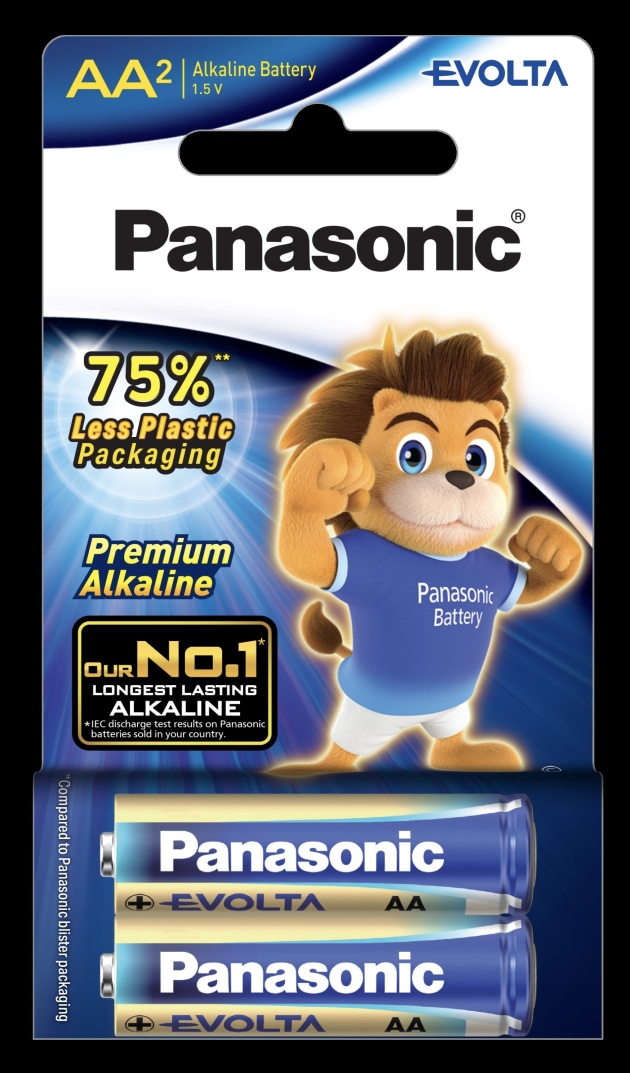
Panasonic's new approach will reduce plastic use by 75 per cent compared to previous packaging. The inner and outer boxes are made from more than 70 per cent recycled paper content, reducing overall paper use by over 30 per cent.
The new packaging became available in the two and four-pack Panasonic Alkaline batteries in Australia starting in June. This move aligns with the rising demand for sustainable products and government initiatives aimed at phasing out single-use plastics.
Chris Moore, business manager, batteries at Panasonic Australia, said, "Panasonic Group is among the global leaders in environmental action in our industry. Locally, we are proud to be able to offer more sustainable packaging solutions."
This initiative complements Panasonic’s membership with the Australian Packaging Covenant Organisation (APCO), reinforcing its commitment to developing a circular economy for packaging in Australia. The company is committed to providing consumers with accessible and sustainable choices.
Driven by the escalating impacts of climate change and issues related to plastic waste, the call for eco-friendly packaging has surged in recent years. According to a survey conducted by the Panasonic Group, 90 per cent of respondents felt there was excess packaging and plastic used in products, and 80 per cent valued environment-friendly packaging when purchasing products.
"Panasonic remains focused on making our operation more sustainable and listening to our customers about the commitments they are also making in the market. The introduction of eco-friendly packaging for our batteries is a step in the right direction and part of a very important journey for our company," Moore added.
This new packaging initiative is part of Panasonic Energy's broader efforts to reduce energy consumption, incorporate renewable energy sources, and implement carbon offsets in line with Panasonic Group's environmental policies.


