


McCormick is joining with packaging and plastics industry leader, Berry Global to help advance its commitment of achieving 100 per cent packaging that can be recycled, repurposed, or reused.
The collaboration leverages Berry’s expertise and access to mechanically recycled polyethylene terephthalate (rPET). The new McCormick Assorted and Neon Food Color bottles are made from 100% post-consumer recycled (PCR) plastic and will begin appearing on shelves across North America this month.
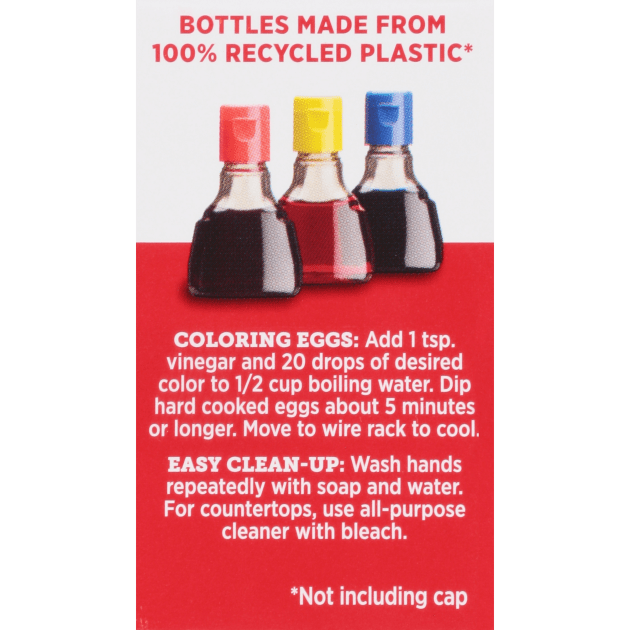
McCormick and Berry have both set 2025 sustainable packaging goals and science-based emissions reduction targets aligned with limiting global temperature rise to 1.5°C in support of the global goal of net-zero emissions by 2050. By shifting to a bottle made from 100% PCR plastic, McCormick is increasing the circularity of its packaging while reducing associated carbon dioxide (CO2) emissions.
“Deadlines for achieving sustainability goals are fast approaching, and brands want partners who can provide effective, impactful ways to reach those commitments quickly. Berry’s sustainability expertise, coupled with access to recycled content, provides the ability to commercialise sustainable packaging solutions with a lower carbon footprint,” said Robert Flores, Vice President of Sustainability at Berry Global.
Reducing carbon emissions through packaging
A lifecycle assessment estimates McCormick will realise a reduction of 86.8 metric tons of CO2 emissions with the new PCR bottle in comparison to the same bottle made from virgin material. This amounts to a 59 per cent reduction in CO2 emissions, which is equivalent to:
- Greenhouse gas emissions from 18.7 gasoline-powered passenger vehicles driven in a year
- CO2 emissions from 201 barrels of oil consumed
- Carbon sequestered by 103 acres of U.S. forest in one year.
“By collaborating with key suppliers like Berry, we gain access to valuable recycled content. This 100 per cent PCR bottle furthers our journey towards our emission reduction goal through packaging,” said Michael Okoroafor, Chief Sustainability Officer for McCormick.
McCormick & Company takes responsibility as a leader in the global food industry by ensuring investments have tangible benefits. The Company’s 2021 Purpose-led Performance Report emphasises progress toward delivering industry-leading financial performance while doing what’s right for people, communities, and the planet we share. This report details a series of commitments and clear performance targets for 2025, and beyond, aligned with the global UN Sustainable Development Goals (SDGs) – reinforcing commitments to sustainable sourcing and raw material procurement, as well as limiting their environmental impacts.
Berry is continuing to leverage its scale to acquire over 600 million pounds of recycled plastic by the year 2025 – which customers, like McCormick, need to meet ambitious sustainable packaging goals. Through recycling advancements and the use of responsibly sourced renewable resourced bioplastics, Berry’s goal is to decouple packaging solutions from fossil fuels that make virgin plastic in the future.


