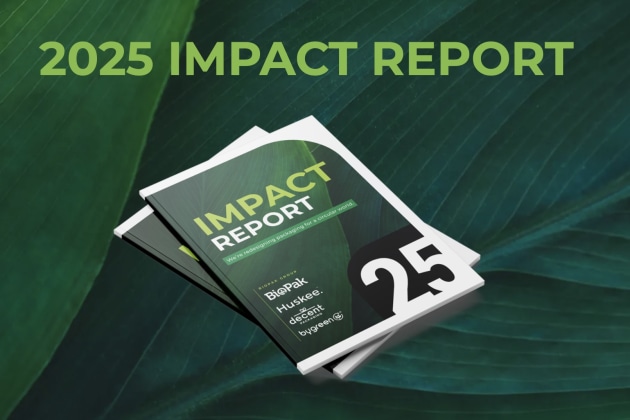
BioPak’s 2025 Impact Report outlines progress on renewable materials, emissions and industry collaboration, while advocating for a packaging ‘systems reset’.
The sustainable packaging company said 95 per cent of its products are made from renewable materials, while 74 per cent of its paper and wood products are FSC certified. The report also records a seven per cent reduction in Scope 3 emissions intensity since 2023.
BioPak said its Give Back Fund has invested more than $5.8 million in charity and environmental partners since 2012, including $508,988 in 2025.
Other outcomes listed in the report include 6,240 trees planted in partnership with Rainforest Rescue, 200,000 lives impacted through MedEarth, and 463,924 meals donated via OzHarvest, KiwiHarvest and Foodbank.
The company said the report also outlines progress across product innovation, industry advocacy and partnerships aimed at accelerating the transition to more sustainable packaging systems.
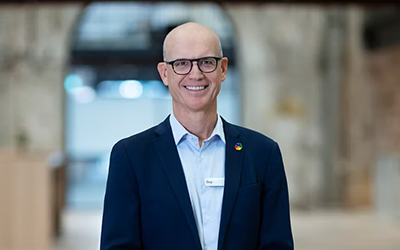
Guy Brent, CEO at BioPak, said collaboration is needed to drive change.
“2025 marks a year of meaningful, measurable progress. But none of this progress is possible without our customers, partners and BioCrew who share the belief that business can be a force for good.

“Together, we made a positive social and environmental impact, expanded our product portfolio and continued advocating for systemic change,” he said.
Despite the progress outlined in the report, BioPak is calling for what it describes as a packaging ‘systems reset’, with industry, government and other stakeholders moving towards a coordinated approach to waste.
The company said reuse models need to work alongside compostable and recyclable packaging, adding that no single solution will address the waste challenge.
Richard Fine, founder of BioPak, said the company’s role extends beyond packaging products.
“What we do might seem simple on the surface: we make cups, containers, and packaging. But what we really do is something much bigger. We provide businesses with practical, sustainable alternatives to conventional packaging and enable millions of people to make better choices every day,” he said.
Fine said a systems reset would involve aligning packaging design, recovery infrastructure, regulation and data so materials can be recovered and kept out of landfill.
“True sustainability leadership in food service ware is not about chasing the easiest claim or following the loudest trend,” he said.
“It is about confronting the complexity of the system and working across the value chain to improve it. It is about supporting better research, clearer standards, smarter policy and infrastructure that matches the materials we ask people to use.”