Sustainability in packaging is entering a new, more data-centric phase. After years driven predominantly by voluntary action and early adopters, in 2026 we will see more evidence, regulation and operational impact across the sector.
For manufacturers, retailers and suppliers, the message is simple: product innovation must be credible, compliance will be mandatory, reusables are proving scalable, and greenwashing is being actively challenged by regulators and customers alike.
Product certifications move from novelty to necessity
Firstly, incremental tweaks are no longer enough. In 2026, sustainable packaging will be assessed across its lifecycle – from material sourcing, food and safety certification, responsible supply chains to consumer use and end-of-life recovery in Australia’s waste systems.
The implication is clear: sustainability claims must be backed by data and certification. Regulators will continue to challenge any claims that don’t demonstrate credible proof and performance in practice, especially their end-of-life capabilities. Industry bodies such as the Australian Bioplastics Association (ABA) are playing a vital role in guiding standards and helping businesses align with verified, genuine outcomes.
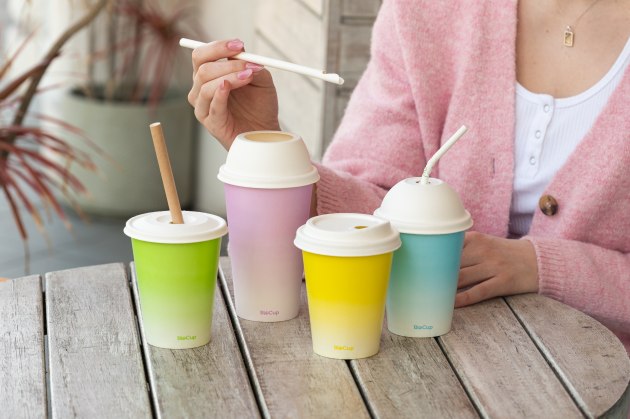
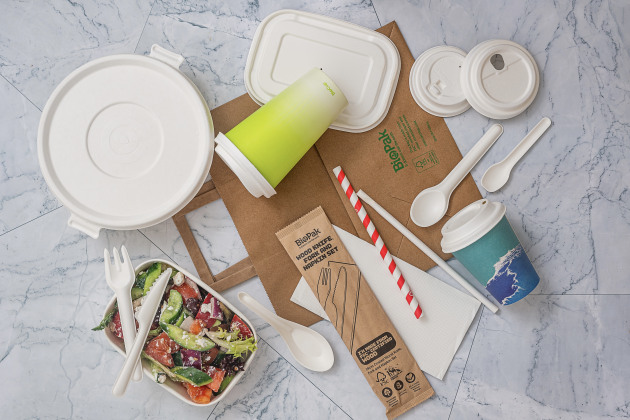
At BioPak, our aim is to continue to strengthen relationships with national EPAs – and other regulatory bodies – while driving confidence and trust among composters, showcasing that certified food packaging meets rigorous compostability standards. By continuing to build trust in the sector through targeted advocacy - focused on ensuring regulatory recognition of compostables as a viable, sustainable foodservice packaging option, and accelerating investment in infrastructure and end-of-life solutions - we are moving closer to a circular economy and addressing Australia’s current waste crisis.
Regulation will set the pace
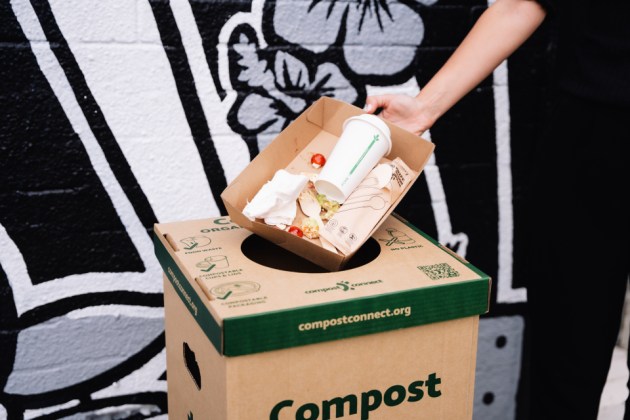
Australia’s packaging sustainability agenda is shifting from voluntary ambition to enforceable expectations. Extended Producer Responsibility (EPR) frameworks, compostability and recyclability requirements, and ACCC scrutiny of environmental claims mean compliance is becoming the baseline for business.
Sustainability teams can no longer work in isolation. Claims must be defensible, documentation robust, and supply chains transparent. Early investment in verified standards and accountable suppliers will position businesses to navigate tighter enforcement and evolving expectations.
Data-backed and evidence-based research will be the key to hitting targets that realistically allow us to reach circularity as a country.
Reusables move into scalable, circular systems
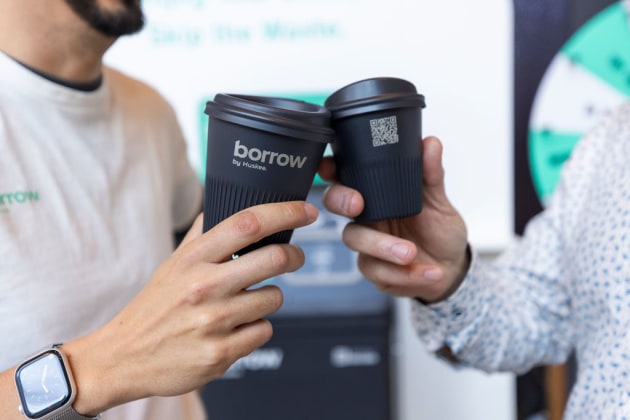
Alongside material innovation, 2026 will see a confident shift towards reusables (or packaging as a service) as a practical pathway to circularity. Leading models embed packaging within closed-loop systems that prioritise convenience, traceability and return. Borrow by Huskee and HuskeeSwap are examples of systems that allow packaging to circulate repeatedly, reducing waste while maintaining convenience, functionality and safety.
Rapid advances in technology are accelerating this shift. Library-style smart packaging, digital tracking and streamlined return schemes allow us to tap into insights surrounding environmental impact.
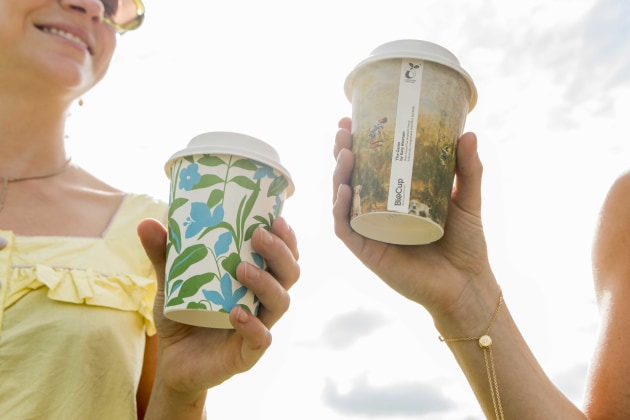
Reusables are no longer just products; they are platforms. By 2026, a takeaway cup may come with a data trail as well as a drink - enabling businesses to demonstrate impact, optimise systems, and meet emerging regulatory expectations with confidence.
Greenwashing backlash reshapes behaviour
Perhaps the most significant shift is growing skepticism around sustainability claims. High profile greenwashing cases, clearer guidance from regulators, and more informed customers are changing how environmental messaging is received.
Vague language and unverified claims are now interpreted as warning signs rather than reassurance. Both businesses and consumers are asking tougher questions: what does “compostable” mean, and where? Is it certified? What does sustainability actually mean when it comes to the supply chain? Are products credibly labeled?
Trust in 2026 will be earned through specificity and transparency; this includes acknowledging limitations. Brands that communicate honestly will be rewarded with credibility, while those relying on polished, unverified claims will struggle to maintain trust and confidence in the market.
Looking ahead
The packaging industry has made enormous progress over the past decade. The next phase will be defined by discipline rather than enthusiasm.
Sustainable packaging in 2026 will be fuelled and driven by measurable outcomes. Less about what sounds good, more about what works. Businesses investing in credible innovation, regulatory readiness, and transparent communication will find an opportunity to showcase business as a force for good.