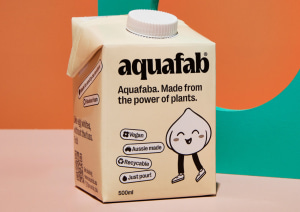
Pouch packaging is exciting. Designers are excited about it. Retailers are excited by it. The result of these two things is that the pouch packaging hitting the shelves now has some real star performers – eye catching, innovative and with crowd pleasing user advantages.
Environmental concerns caused a hurdle for pouch packaging to overcome. At first. Eco-friendly materials are being used more and more – including paper AND cardboard. And in fact, pouch packaging's carbon footprint is deceptively low – one truckload of flat pouches equals the product-holding capacity of 15 to 25 truckloads of empty rigid containers. So, large energy cost savings are available in shipping. Waste-to-Energy is becoming a more viable end-of-life option for flexible packaging materials following its very successful track record in European and Asian countries. Municipal incinerator technology had advanced very quickly, to overcome issues related to harmful emissions. So, the era of turning waste into electricity, synthetic gas, fuels, and recycled materials is in our immediate future. This will help pouch packaging to gain an edge on sustainability.
Australian companies like GMD Packaging in Queensland and Toyo Jidoki, represented by Walls Machinery in Sydney, are already supplying pouches and pouch filling and sealing machinery (respectively) that is responsive to evolving needs.
International supplier, Dow, revealed its award winning 100% PE Recyclable Stand Up Pouch from Dow Performance Packaging during The Showcase of Packaging Innovations® at PACK EXPO Las Vegas 2013, after a successful launch in Mexico.
The 100% polyethylene stand up pouch is manufactured with only one raw material, polyethylene, making it easier to recycle, and it can be used in a variety of applications, including beverages, cosmetics, dry and frozen foods, and cleaning products. The stand up pouch also provides better on shelf visibilty because it is able to stand upright on its own.
Last year, European business information provider, Visiongain's global packaging study indicated that plastic pouch packaging had become a US$143bn market in 2013. Its analysis of the world's top 20 packaging firms, showed that growth is occurring in both emerging and developed markets, driven by growing demand for
single-portion, conveniently-sized packaging that can be safely used in a microwave.
Where developed and emerging markets diverge is in cost. In emerging markets, pouch packaging is seen as a value-added product and this is keeping a brake on its growth.
The Visiongain report also underlined, “In developed nations, food packaging innovations ranging from vacuumed plastic packaging to a new material that prevents bread and cheeses from moulding aim to improve shelf life. In developing nations, the primary concerns are reducing damage to products during transportation and ensuring they are fit for consumption.”