Velvet is a soap bar your grandma used. Sure, there were no glycolic acids, microbeads and moisture-enhancing “technologies” then. But, ingrained in all of us is the idea that the world was gentler, less toxic and more caring place in the1900s. And that is a valuable asset for Velvet Skincare.
The Australian soap brand began in 1900. By the 1940s, it was a leading Australian soap brand. It has images of heritage-listed paint advertisements on factory brick walls, of cherub-cheeked babies being bathed in Velvet suds and of tips for the multiple household uses of Velvet Pure Soap in 1940s Women’s Weekly pages, to use for its selling proposition.
And it has Melbourne design agency, JPD (James Phillip Design), to use for its rebrand.
Velvet is being positioned as a quality, affordable skincare range with beauty benefits. So the new look and feel for its packaging is “simple, fresh and luxurious, reflecting the purity of the product,” JPD stated.
The canvas colour is white with graduations of Velvet’s signature blue used for the logo and product promises, and a striking silver to deliver key information.
It has been given a modernized logo that reflects the brand’s heritage but also allows Velvet to move into skin care. Both the formulations and packaging have been refreshed to highlight Velvet’s added value skin care benefits. The range now contains the classic Pure Soap, Moisturising, Sorbolene and Goat’s Milk varieties. For the first time, Velvet now differentiates its products by skin type.

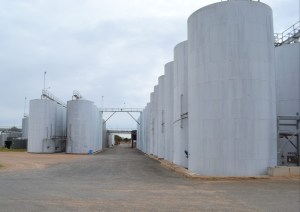
One of the key features of the brand is that it is Australian made. It was important to highlight this on pack, which JPD has done with a silver foil stamp as owner, Pental, is proud of the Australian soap manufacturing plant that enables it to create superior Australian made products that are ‘Made with a little extra love’ (according to its motto). Australian Made is also seen as a symbol of good quality products, which benefits Velvet, that competes in a cluttered category dominated by global brands. Pental has grown from humble beginnings in 1954 and has worked hard for more than sixty years to stay true to its Australian roots, maintaining 95% of its manufacturing at the company-owned plant in Shepparton, Victoria.