Close×

Esko has developed a white paper for business success in the packaging industry. Why? Because today, more than in any other decade, packaging service providers and printers are under relentless pressure to reduce costs, improve productivity and deliver new and innovative packaging concepts to brand owners.

Understanding the trends behind these pressures and the industry drivers shaping them is your first step toward conquering today's business challenges and creating an offering that stands out in the crowd.

The paper focuses on five key directions:
1.  Workflow automation, shifting gears to “lights out.”
2.  Smart templates separating content from design.
3.  Quality as a first consideration.
4.  Task-driven interactive editing.
5.  The supply chain integrates to a globally connected virtual workplace.

“Our research and our many conversations with customers and industry professionals has identified five key trends that affect the future of packaging prepress and production,” said Jan De Roeck, Esko’s director of solutions management. “These trends have guided our product development process, resulting in the many enhancements customers will see implemented in Esko's product range. They are key drivers for the necessary business process change within the industry. The white paper not only thoroughly explains these trends but provides actionable ideas for both brand owners and packaging converters as they look to remain competitive in a very dynamic marketplace.”

The challenge for packaging converters is to push more production jobs in shorter runs through their plants while operating faster, better, cheaper and greener. Brand owners expect all that from their suppliers, but also seek creativity and innovation from supply chain partners in order to differentiate their products and create greater shelf appeal. All supply chain stakeholders must collaborate seamlessly to achieve these objectives.

“Increasingly, the package is the brand. Brand owners and packaging converters alike must stay current with the latest technologies in order to better understand the possibilities for innovation and improvement across the entire packaging design, production and distribution process. In doing the research for this white paper, I was particularly intrigued by the smart template concept as a basis for near-lights-out prepress workflow in packaging preproduction. We have seen this concept in play in other areas of the printing industry, where it has made a huge difference, and it is exciting to see smart template capabilities now becoming available for packaging preproduction as well,” the white paper's author, Cary Sherburne, stated.

Smart templates separate design from content creation. Content resides in a cloud-based packaging management system, and smart objects within the templates are linked to approved content in a secure database.

Sherburne continued, “This type of infrastructure accommodates the need for smaller runs of more targeted packaging and also allows late-stage editing, critical in a dynamic environment such as the one we face today. The ability to change content once and have it flow through a variety of templates also ensures that all content remains current and in regulatory compliance. This improves efficiency and reduces cycle time, benefiting all stakeholders within the packaging supply chain.”

Read Esko 5 key trends for packaging workflow.

Food & Drink Business

A lot of food and beverage brands look strong when they’re small. They have one product, one pack, one clear idea and then they grow. That’s usually when things start to unravel, not all at once, but quickly enough to matter. The Creative Method founder and creative director, Tony Ibbotson, explains why – and growth is not the problem. 

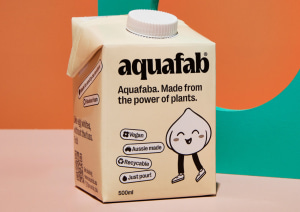
Victorian-based Aquafab has completed a $620,000 Series A raise through Birchal, supported by over 300 investors. The company told Food & Drink Business that the funds will support continued national growth and plans in place to enter the US and UK markets this year.

Rumin8 is accelerating its methane reducing feed additive commercialisation progress in New Zealand, garnering $4.4 million (US$3 million) in investment as the company prepares to enter the final trial process.