


An Adelaide Hills winery has ploughed $4 million into an expansion which includes a bottling line tailored specifically to small beverage producers.
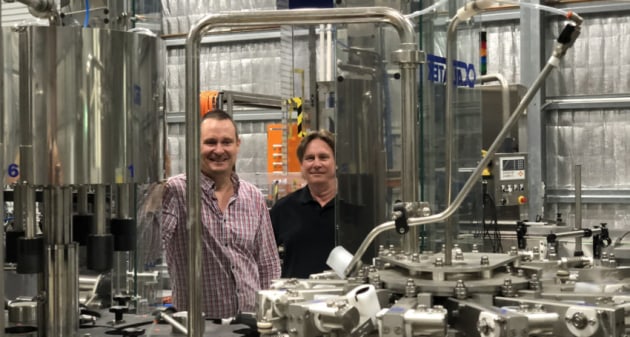
The bottling line, which has been included as part of the expansion of winery Sidewood Estate, can fill and label up to 3000 bottles per hour with an annual capacity of more than five million bottles.
The counter-pressure line is said to be a “first” for the Adelaide Hills region, and will allow third-party contract bottling for other small, medium and large wine, cider, and beer brands.
The bottling line features European components that are imported and serviced by local businesses Costa Enterprises and Grape Works. It has been put to work packaging Sidewood products but is yet to commence contract bottling.
Sidewood Estate owner Owen Inglis said local producers often had to send their wine to Port Adelaide, Barossa or McLaren Vale to be bottled, which could be expensive and add complexity to the packaging process.
“Providing regional producers with a quality alternative for local processing will be a highly attractive option for wineries and cider houses looking for commercially viable bottling and canning solutions,” he said.
“The growth and demand for Sidewood Estate wines locally, nationally and internationally has prompted the need for the expansion which both Sidewood and the entire region will benefit from with this new bottling line.”
Inglis founded Sidewood in 2004 and has built the business on the philosophy of controlling every step of the process from its estate-grown fruit through to production.
Head winemaker Darryl Catlin said the bottling line was the final step in the vine-to-glass approach, and gave the winery total control over its wines and ciders.
“These facilities will help give Sidewood another edge in quality terms and the benefits of control,” he said.
“We are able to do medium to small batch bottling and on many levels, including under pressure, and all products in between including cork, 30 and 31.5 mm screwcap and crown seal.”
Adelaide Hills Wine Region executive officer Kerry Treuel said having a local bottling line was more cost effective for local wineries, created jobs, and boosted the Hills’ economy.


