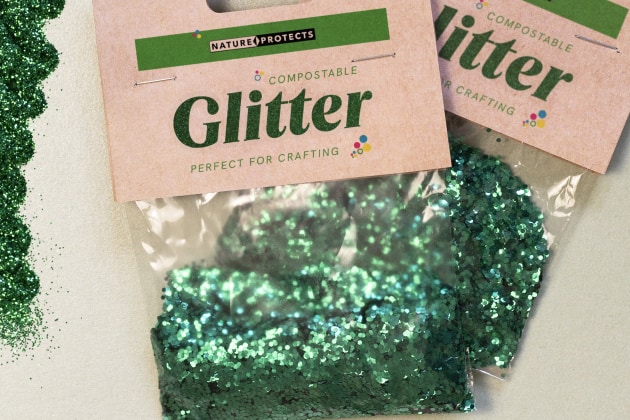
Futamura is supplying NatureFlex films for glitter, which the company says meet marine, soil and wastewater biodegradability standards.
The films are produced from renewable wood pulp from responsibly managed plantations and comply with industrial composting standards AS4736, EN13432 and ASTM D6400, as well as home composting standards including AS5810, NF T51-800 and OK Compost Home, certified by Din Certco.
A 2020 ECHA report estimates that 42,000 tonnes of intentionally added microplastics are released into the environment each year. Glitter, which consists of very small particles, is likely to enter wastewater from both cosmetics and arts and crafts use. Futamura says NatureFlex films can be used to produce glitter that, once certified, will biodegrade safely in the environment it is disposed of. Certification of the final glitter product is required to meet all criteria.
Glitter made from conventional plastics remains permitted for cosmetic applications under a transition period in the Microplastics Regulation, which ends once alternatives are available. The ban on non-biodegradable glitter for arts and crafts markets came into effect on 17 October 2023.
Andy Sweetman, sales & marketing director at Futamura, said, “Glitter is a tricky market due to the product almost certainly ending up in the environment, whether wastewater, marine or soil. NatureFlex allows for a more viable, less damaging, end-of-life scenario than conventional glitter produced from conventional plastic materials. A switch to compostable glitter is a step towards reducing the ever-growing microplastic problem we are facing in our soils and seas today.”