


Tetra Pak has been recognised as one of the world’s 50 Sustainability and Climate leaders, having been acknowledged for its commitment to pioneer a sustainable future, with a documentary showcasing its journey to date.
The video features interviews with members of Tetra Pak’s global leadership team, highlighting how the role of the food sector in tackling climate change is becoming even more imperative.
tetrapak-sustainability-climate-leaders-1.mp4
The company explains why accelerating decarbonisation and collaborations is critical to lead the sustainability transformation of the food packaging industry – addressing complex and multi-faceted challenges such as global warming, circularity and biodiversity.
“The fundamental purpose of packaging is to deliver to consumers food that is nutritious and safe, and today, doing so in a sustainable manner is non-negotiable,” Andrew Pooch, managing director of Tetra Pak Oceania, tells PKN.
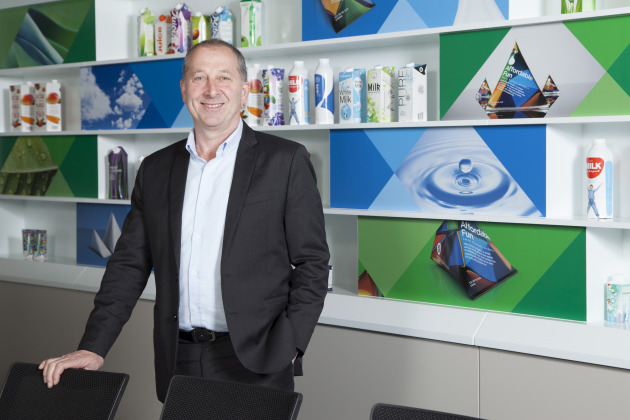
To minimise climate impact, while helping to ensure food security for the future, the company takes a full life cycle view of its solutions, which means:“To reduce the contribution to climate change, the industry must continue efforts in looking at the carbon contribution of packaging across its entire lifecycle – from cradle to grave.”
- Maximising the use of renewable materials, and sourcing them responsibly in a way that protects biodiversity;
- Minimising the carbon impact of its operations, as well as the one created by its value chain, for instance, by accelerating the switch to renewable energy and by stepping up investment to develop low carbon processing and packaging solutions;
- Enabling greater access to safe food, while reducing food waste – the aseptic filling technology that the company introduced to the food industry in the early 50s allows for ambient distribution and storage, without requiring energy intensive refrigeration; and
- Driving an active agenda to develop sustainable recycling value chains.
According to Pooch, there is a lot of focus on end-of-life at the moment, but in reality, over 99 per cent of packaging impact to climate change has occurred before products hit the shelves.
“Recycling is important, but even more so is the source, the manufacturing and the transport of consumer goods before they reach consumers,” explains Pooch.
“If we are to really make a contribution to reducing the impact on climate change, then whole life cycle needs to be considered. This is true not only for cartons, but for all packaging types across most food and beverage products.
“We hope government and industry broaden the current packaging sustainability discussion and work together on educating consumers about the impact of their personal choices, including and beyond recycling.”


