Much has changed over the past 60 years, from news and views to trends, technology, and innovation. In the PKN 60 Years anniversary issue, just published, we examine the highlights from the past six decades.
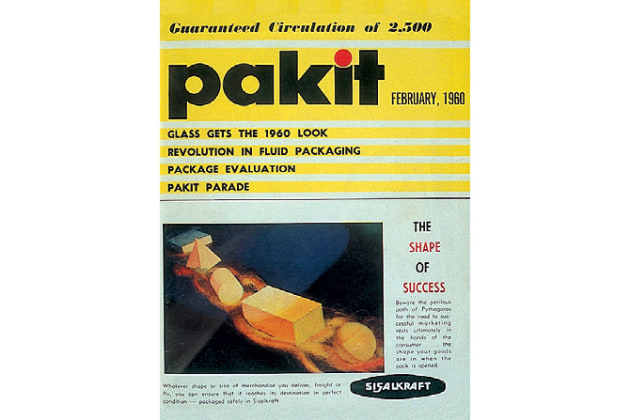
This celebratory edition marks a significant milestone, not only for PKN but also for our readership. The Australian packaging industry has witnessed dramatic transformation in technology and business practices over six decades.
In our Decades in Review section, we have selected headline making news snippets from our archives that capture a sense of the issues and challenges that dominated the industry at the time, to provide an interesting snapshot of the industry's history.
Packaging technology developed at a rapid pace throughout the 1960s and 1970s as consumer voices grew stronger and pollution became a key industry issue.
In the 1980s consolidation was the key economic trend, while convenience continued to drive packaging innovation, fuelled by the rise of the microwave.
During the 1990s “reduce, reuse, recycle” became the mantra as companies stepped up their enviro-friendly activities.
Sustainability shifted from a buzzword to a business plan during the 2000s, and the bioplastics sector got up and running. Green was in, greenwash was out, and the industry innovated to reduce its environmental impact.
The digital revolution swept the packaging industry in the 2010s as digital printing ramped up; smart packaging and smart factories started popping up; and bioplastics started to gain traction.