


KitKat is temporarily replacing the logo on its four-finger milk chocolate bar pack as part of a new campaign called “Give the Planet a Break”. It is designed to encourage and educate Australians on how to recycle soft plastics correctly.
The limited-edition bars feature a KitKat-inspired recycling symbol and an explicit call to drop off soft plastic wrappers at REDcycle collection bins, located in most major supermarkets.
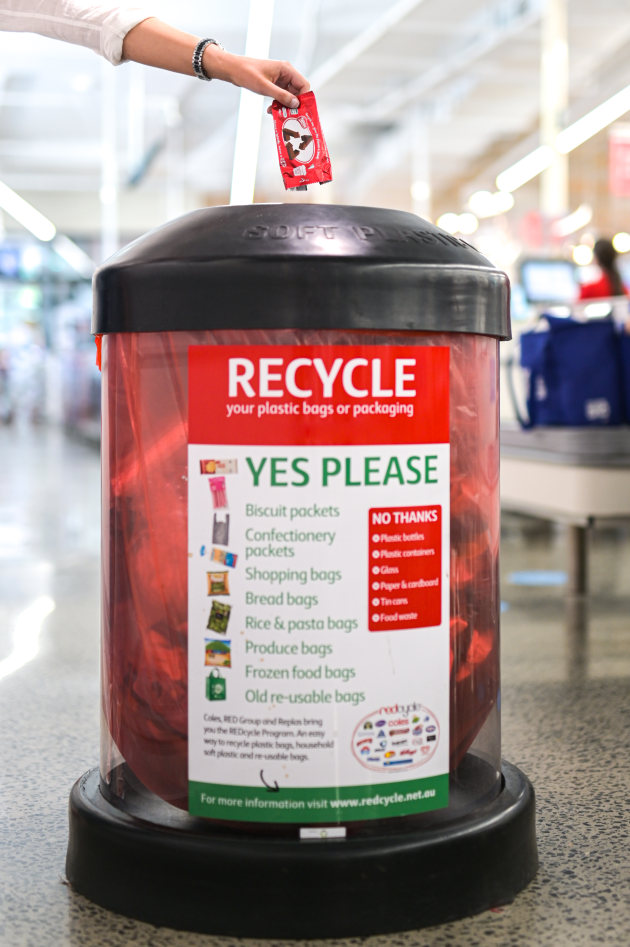
Dropping off soft plastics to REDcycle diverts them from landfill and enables them to be used as a valuable resource to make useful items such as benches and fences.
The campaign launches with new research commissioned by KitKat, which reveals Australians attitudes and behaviours to recycling soft plastics. It found that while we show a strong desire to recycle correctly, almost half of us (48 per cent) are getting it wrong.
Nestlé head of marketing confectionery Joyce Tan said the KitKat is a brand synonymous with breaks.
“Together, we want to work with Aussies to help them ‘Give the Planet a Break’ and recycle their soft plastics right We know Australians have great intentions when it comes to recycling, but our research shows that unfortunately more than one third of us (37 per cent) either forget to drop off our soft plastics at the supermarket, say we can’t be bothered to take them back to store, or don’t have anywhere to store them at home,” Tan said.
“In order to encourage everyone to recycle right and drop off their KitKat wrappers and other soft plastics at REDcycle collections bins, we’ve turned our iconic pack into a reminder Aussies can’t miss. Putting good reminders or systems in place, like stowing your soft plastics in a reusable shopping bag until you go back to the supermarket, will go a long way to helping you recycle more soft plastics – and give the planet a break.”
At the Australian Institute of Packaging Australasian Packaging Conference, Nestlé Oceania head of corporate and external relations Margaret Stuart said the limited-edition packs aim to bring recycling to the forefront so consumers know the wrappers are recyclable.
“When you’re prepared to give up your logo for a recycling logo, it’s a big day,” she said.


