The Boomerang Alliance has called on all state jurisdictions to introduce bans on certain single-use plastic takeaway items before the end of 2021 to help combat plastic pollution.
Alliance director Jeff Angel said three jurisdictions – South Australia, the ACT, and Queensland – intend to introduce bans in 2021.
“We know that NSW, Victoria, and Western Australia are close to finalising policies, with Tasmania and the Northern Territory also considering their options,” Angel said.
“With thousands of Australians taking the Plastic Free July Challenge, it's time for all state jurisdictions to join them.”
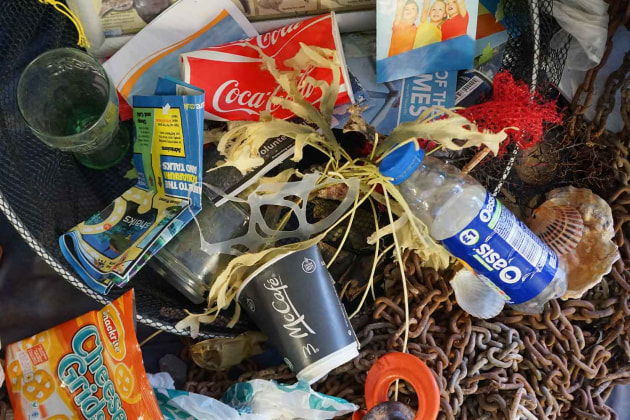
The alliance said single use plastic takeaway items such as straws, stirrers, cutlery, coffee cups, containers, and heavyweight bags are “amongst the most littered and wasteful items in Australia”.
According to the latest Clean Up Australia National Rubbish Report, 36 per cent of all litter is plastic waste, and plastic foodware among the most littered.
The alliance said all these products have alternatives that can be used today.
Angel said the Boomerang Alliance is encouraging everyone to take the Plastic Free July Challenge.
“Whilst government bans are essential to eliminate this plastic waste and litter, individuals can make a difference today,” he said.
The Plastic Free July Challenge is an international initiative to encourage people to move away from single-use plastics. According to its website, more than 250 million people in 177 countries have participated in the challenge.