As the interpack year unfolds, the global processing and packaging industry is looking to Düsseldorf as a key moment to take stock of accelerating change.

interpack 2026, running from 7–13 May, comes at a time when manufacturers are balancing regulatory reform, automation investment, cost pressure and skills shortages, while also responding to continued growth in demand for packaged food and pharmaceutical products.
With around 2,800 exhibitors expected, interpack 2026 will be framed around three Hot Topics – Smart Manufacturing, Innovative Materials and Future Skills – providing a lens through which companies across the value chain are positioning their technology strategies.
Aligning technology, materials and people
For IMA Group, the scale and pace of change across regulated and food sectors makes interpack a strategic opportunity to present its broader technology roadmap. The company will use its extensive presence in Hall 17 to highlight developments across pharma, medical and food applications, with a strong emphasis on digitalisation and workforce readiness.
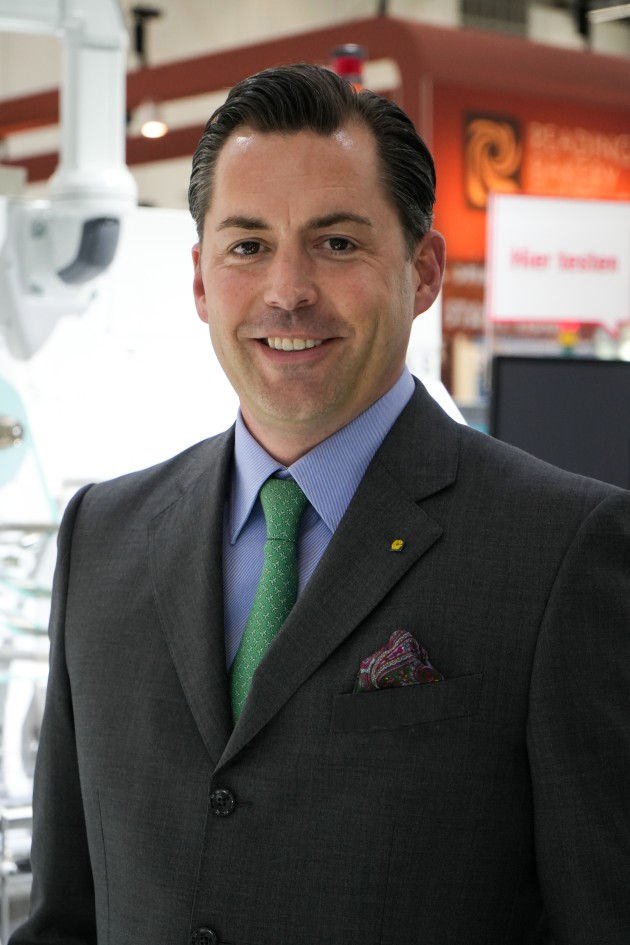
“At interpack 2026, IMA aims to showcase key technological innovations shaping the processing and packaging industry in pharma, medical and food industries,” says Monica Cervellati, corporate communication manager at IMA Group. “Smart manufacturing, new materials and future-ready skills guide our vision of the future.”
Stability and efficiency in increasingly complex production environments is a priority for Theegarten-Pactec, which will present solutions focused on automation and digital integration in Hall 1. The company is positioning its latest developments as practical tools to help manufacturers improve throughput and process reliability.
“All approaches pursue one clear goal – enabling even greater efficiency in our customers’ processes,” says Markus Rustler, president and CEO of Theegarten-Pactec.
Integrated lines and system thinking
As production lines become more interconnected, holistic system design is emerging as a differentiator. Coesia will use interpack 2026 to reinforce its role as an integrated line partner across food, personal care and cosmetics, highlighting solutions designed to improve operational efficiency while supporting long-term performance.

“Coesia will participate at interpack 2026 as the leading partner for integrated lines… delivering smart and sustainable automation that reduces TCO, increases efficiency and supports long-term customer relationships,” says Alessandro Parimbelli, CEO of Coesia. The group will exhibit in Hall 6.
Multivac is also linking automation, efficiency and sustainability in its interpack approach, with solutions spanning food, medical and pharmaceutical sectors. Its exhibit will focus on combining smart production concepts with application-specific requirements.
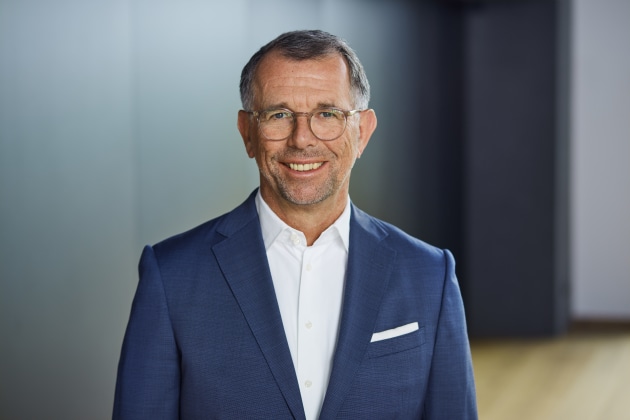
“As an innovative and strong partner for processing and packaging food we will showcase added-value solutions that reconcile efficiency, automation, digitalisation and sustainability,” says Christian Traumann, CEO of Multivac.
Regulation reshapes design priorities
With regulatory frameworks such as the EU’s Packaging and Packaging Waste Regulation influencing equipment and material choices, suppliers are increasingly embedding compliance considerations into system design. Marchesini Group will address this shift in Hall 15, with a focus on robotics, traceability and aseptic solutions.
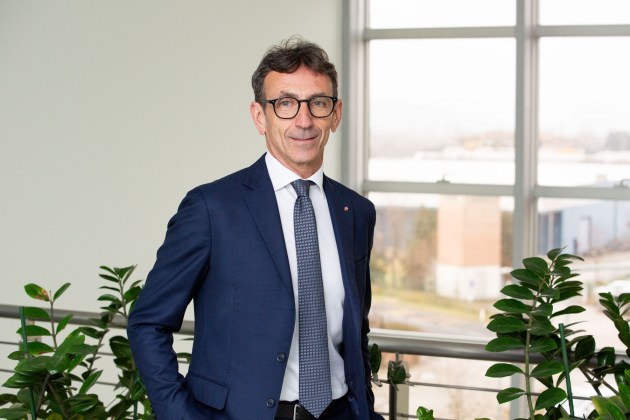
“Sustainability and robotics will take centrestage to support our customers in implementing the PPWR,” says Valerio Soli, CEO of Marchesini Group, noting the need to balance safety, recyclability and performance.
Hygiene and efficiency in food processing
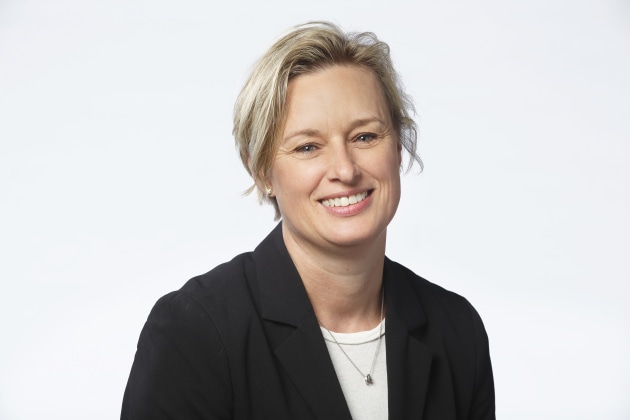
Food safety and hygiene continue to shape investment decisions, particularly as manufacturers seek to meet stricter standards while managing resource use. Aasted, exhibiting in Hall 1, will focus on equipment design that supports cleanability and efficient operation.
“Cleanability and resource efficiency are becoming decisive factors for manufacturers facing stricter requirements on food safety, sustainability and operational efficiency,” says Gitte Svenstrup, head of strategy at Aasted.
In confectionery processing, Sollich and Chocotech will present developments aimed at improving connectivity, hygiene and process control. Their joint stand in Hall 3 will highlight how digital tools can support more efficient production.
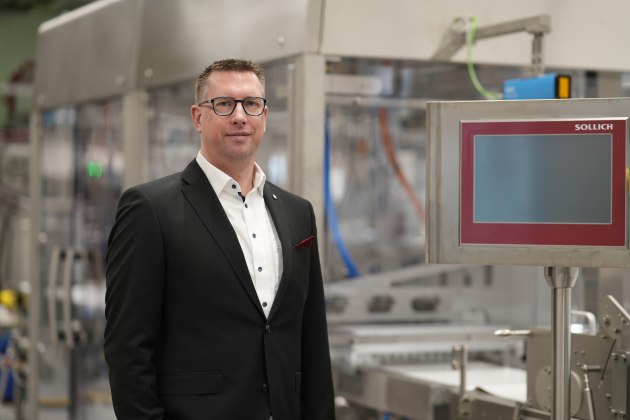
“Our aim is to show customers how we shape the future with smart technologies and optimised processes,” says Klaus-Dietrich Franzmeier, board member at Sollich KG.
Materials innovation in focus
Packaging materials remain a central pillar of interpack, with more than 1,000 exhibitors forming the world’s largest packaging media showcase. Metsä Board will highlight lightweight, recyclable cartonboard solutions for food and pharmaceutical applications in Hall 8a, alongside design-led workshops for brand owners.
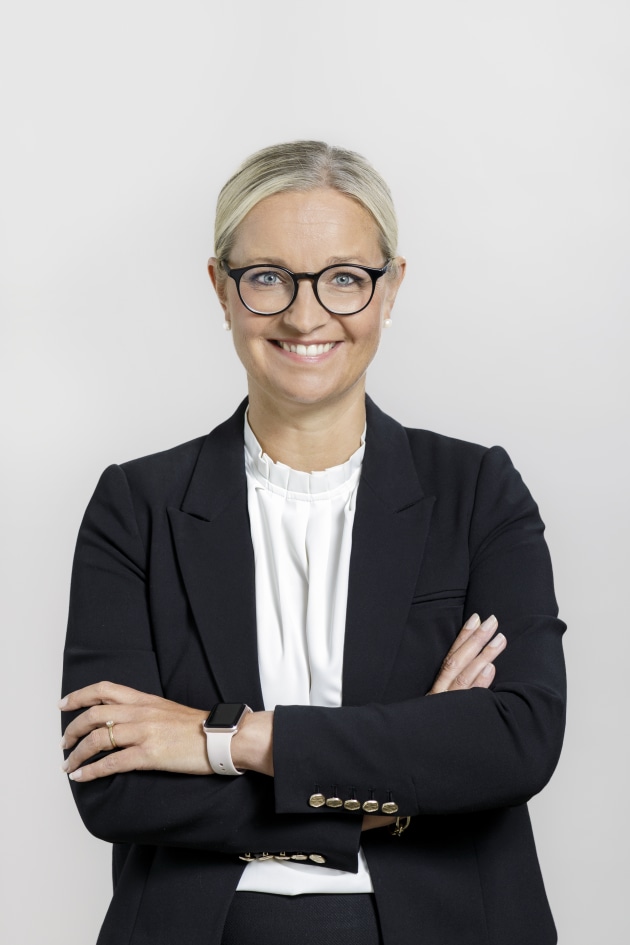
“Regulation and changing consumer preferences are driving demand for fossil-free and recyclable packaging materials,” says Erja Hyrsky, SVP commercial operations at Metsä Board.
Regulatory readiness is also shaping Sonoco’s interpack narrative, with brands increasingly seeking packaging formats that offer long-term compliance across markets. Sonoco will position its rigid paper and metal packaging portfolio as a response to this shift.
“Regulatory readiness has become a decisive factor in packaging decisions,” says Francesco Giannolo, vice president commercial consumer packaging EMEA/APAC at Sonoco.
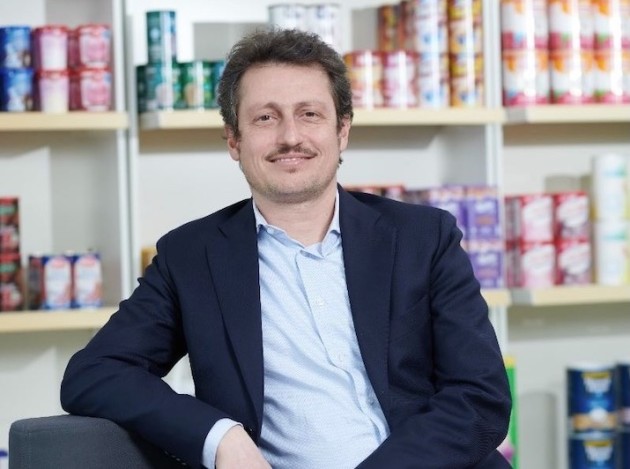
“This shift calls for partners who can combine sustainability with real industrial expertise.”
As exhibitors’ perspectives suggest, interpack 2026 is emerging as a defining checkpoint for an industry navigating structural change – bringing together technology, materials and skills to chart the next phase of packaging and processing innovation.