


Design agency Percept worked with a Sydney-based artisan food brand to build its business through stronger branding.
Hailing from the Sutherland Shire, Six Smith is a homemade fresh food company focused on the provenance of its ingredients.
It asked asked Percept to design a branding program with a boutique feel, reflecting its authenticity.
Needing to create branding that would resonate with a varied target audience, including consumers who enjoy eating homemade fresh food and care about where their food originates from, Percept designed a branding program that reflected Six Smith's ethos.
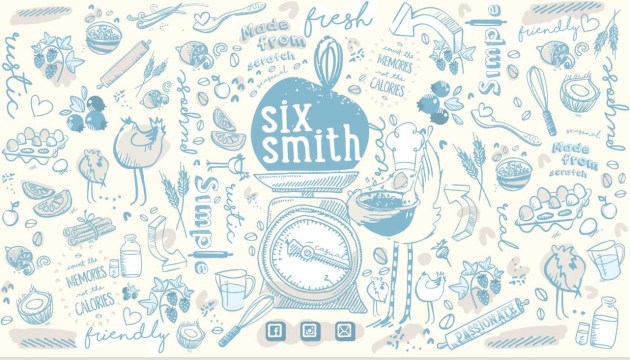
The apple and whisk within the logo combine to form a classic apple shape and an artisan ‘from the farm’ feel.
Once the base for the branding look and feel had been established with the logo design, Percept rolled out the brand design to include stationery, packaging, apparel and market stall signage.
A quirky illustration style runs through all elements of the Six Smith branding, adding to the handmade feel while giving the brand a strong personality.
Incorporating a photography shoot to capture the essence of Six Smith was another part of the project, which lends to sharing on social media.


