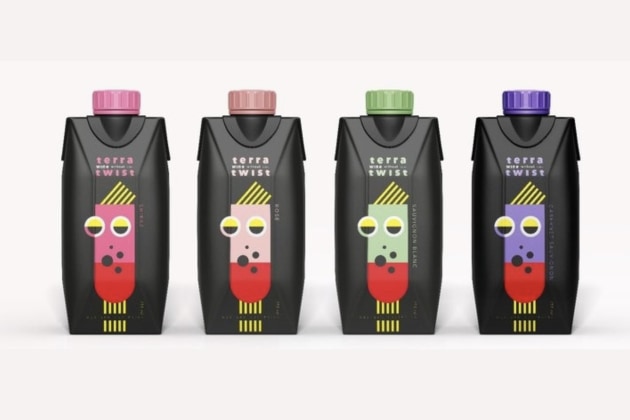
Tetra Pak has expanded its packaging capability in Oceania, with C4C Packaging bringing the region’s first single-serve aseptic wine format into production. The launch introduces new tethered cap technology and opens pathways for lightweight, portion-pack wine and RTD formats.

The development marks the first regional adoption of Tetra Pak’s DreamCap 26 Pro, applied to the Tetra Prisma Aseptic 250ml Edge carton, enabling portion-pack formats for wine and ready-to-drink (RTD) beverages.
The launch builds on C4C Packaging’s newly established aseptic co-manufacturing facility in Western Australia, previously reported by PKN as a significant step in introducing lightweight, single-serve wine formats to the local market.
The DreamCap 26 Pro introduces a screw-and-flip tethered design that remains attached after opening, aligning with emerging global regulatory expectations and reducing the risk of litter.
With a 26mm opening engineered for improved flow and drinkability, the cap is designed to support on-the-go consumption, while incorporating plant-based materials as part of the overall pack structure, according to Tetra Pak.
Combined with the Tetra Prisma Aseptic Edge format, the pack offers a premium-shaped carton designed to deliver both shelf differentiation and portability – positioning it as an alternative format for occasions where glass is impractical or restricted.
For Tetra Pak, the collaboration signals a further step in enabling new beverage formats in the Australian and New Zealand market.
Boris Munster, managing director, Tetra Pak Oceania, noted the driver behind the new format was shifting consumer habits.
“Consumer preferences in Australia – and around the world – continue to evolve, with rising demand for lighter wine styles, lower alcohol options and convenient formats that fit modern, on-the-go lifestyles,” he said.
“C4C Packaging’s move into portion-pack wine using Tetra Pak’s newest packaging technology represents an important advancement for the Australian wine and beverage sector.”
The C4C facility, located at Nikola Estate in WA’s Swan Valley, is designed to provide contract filling for both wine and RTD producers, offering an entry point into portion-controlled formats without requiring investment in new packaging lines.
The rollout comes as producers face increasing pressure to reduce packaging emissions and adapt to changing regulatory settings.
According to Tetra Pak, recent life cycle assessment data for beverage packaging in Australia and New Zealand indicates cartons deliver a lower carbon footprint compared with glass, PET and aluminium formats, with the majority of emissions generated upstream in production and distribution.
For wine producers in particular – where glass remains dominant – the shift to lightweight carton formats presents both an emissions reduction pathway and a logistics advantage, especially for export and convenience-driven channels.
C4C Packaging said the new capability provides a pathway for brands to diversify into single-serve formats while maintaining product integrity through aseptic processing.
The facility is now open to other wine and low-alcohol RTD brands seeking co-packing services in the format.