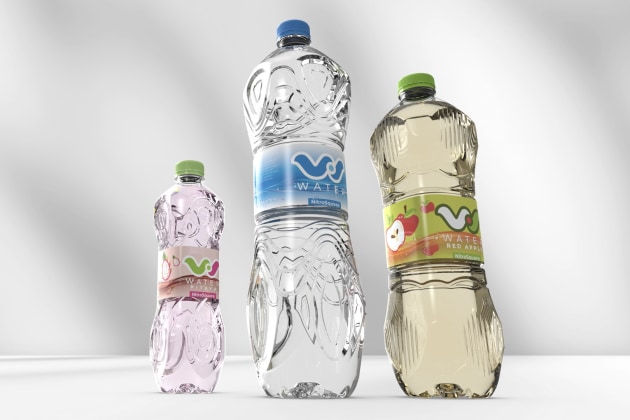
Sidel has introduced Nitro Square, a new square bottle design for still water using liquid nitrogen dosing.
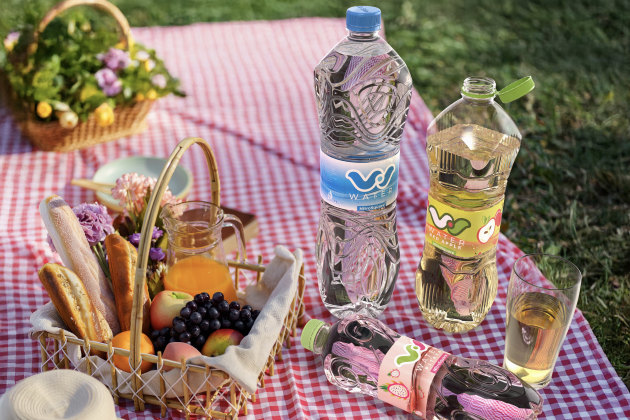
According to Xavier Monnier, packaging innovation polymer expert at Sidel, the nitrogen-dosed water bottle market is “largely dominated by cylindrical forms, as this is the natural shape created by the internal pressure of the bottle’s contents”. Monnier said the Nitro Square “allows manufacturers to elevate their brands with a unique square design that stands out on the shelf, secures its shape and performance across the supply chain and is valid for rPET”.
The design combines rigid sections with flexible, pressure-absorbing surfaces to maintain the square shape and allow for creative branding options. It also incorporates Sidel’s wave-shaped StarLITE-R Nitro base, which the company says enhances stability and drop resistance.
Nitro Square is designed to be easily customised for different market positions and is available in both single- and multi-serve formats. It can be integrated with Sidel’s Universal, Series 2 and EvoBLOW machines, with production speeds of up to 2,600 bottles per hour per mould.