



Beverage megashow drinktec took place in Munich last week, presenting beverage innovation from around the world to 75,000+ visitors. PKN brings you five packaging concepts that caught our eye.
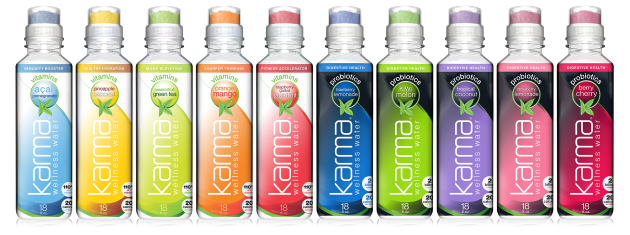
1. American Karmacap presented its third generation Push Cap, a delivery system that can infuse either powdered or liquid ingredients into almost any substance, in seconds. Vitamins, nutrients, superfoods, probiotics … endless possibilities. The technology is now reaching beyond mainstream beverages, as pharmaceutical companies have shown interest.

2. Coveris showcased the innovative Optys bottle (see right), made of a pre-printed polypropylene plastic sheet thermoformed on-site thanks to Serac’s technology. This technology allows precise calibration of a sheet’s thickness and guarantees a minimum of plastic used (from 10 to 30% savings). Decoration, from the bottom to neck, is printed flat using anamorphosis. For the moment the target markets are dairy, juices and sauces.
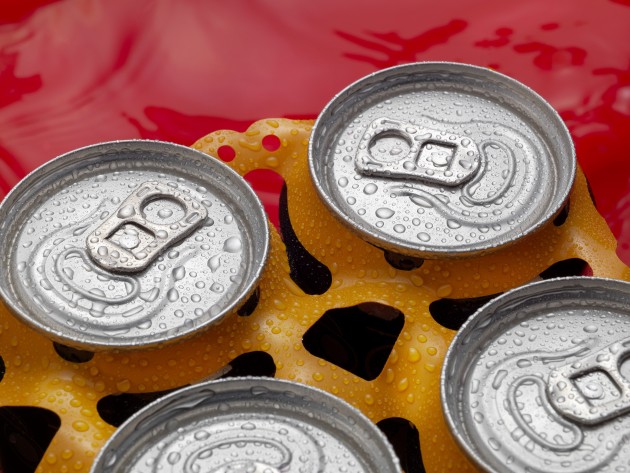
3. RPC Group presented WaveGrip, its smart multi-packing system. This can carrier is unobtrusive, claims to be made of the lightest material on earth, is simple to apply on 4-6-8-packs and is economical. The WaveGrip can be produced in various polymers, hence could dissolve in water, be photodegradable or recyclable. The equipment can handle multi-packing at speeds of over 2000 cans per minute.
4. Metal packaging producer Crown is surfing on today’s trend of interconnectivity of the digital space with its interactive beverage can technology powered by UK company Zappar. The CrownSmart platform connects and engages with consumers via online and mobile channels. A unique code (alphanumerical or dots) engraved in the cap allows a direct gateway to the consumer who scans the code with a smartphone. The potential of reaching the consumer at the point of consumption is obvious for promotions, loyalty programs as well as data analysis. Crown also presented SeeThrough, which leverages virtual reality to enable consumers to view the contents within a package; and CrownSecure, a code scanning system that assigns every package a unique and singular identity quick response (QR) code - helping manufacturers build a data trail to help prove authenticity to consumers and manage product recalls.

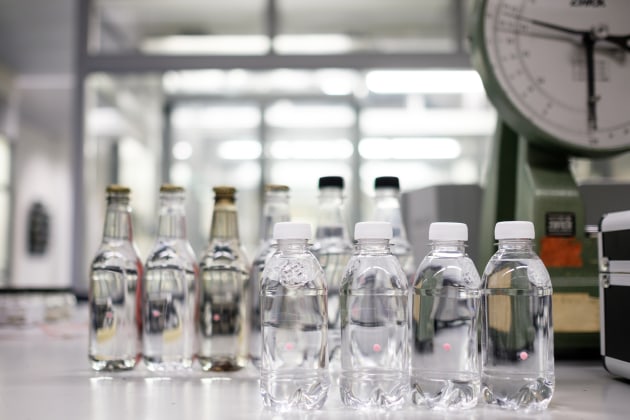
5. Synvina (a joint venture between BASF & Aventium) presented its first PEF (polyethylene furanoate) bottle. PEF is a 100% bio-based polyesther (sugar residues) that reportedly has superior barrier and mechanical performance to PET. PEF is fully transparent, provides an excellent gas barrier and is fully recyclable in the actual PET stream. As it is easy to light-weight and offers high gas barrier and heat resistant properties, this bottle is a good fit for smaller servings and health drinks. The first batch of industrial production will roll out withing the next few years.
Dominique Huret of Cape Decision filed this report on assignment for PKN Packaging News. She is a freelance packaging journalist based in Belgium, and a member of the International Packaging Press Organisation.


