


The use of thermochromic inks is being pioneered with the rollout of a Canadian summer promotion for beer brand Coors Light.
The promotion marks the first application of photochromic inks in partnership with Crown Beverage Packaging North America.
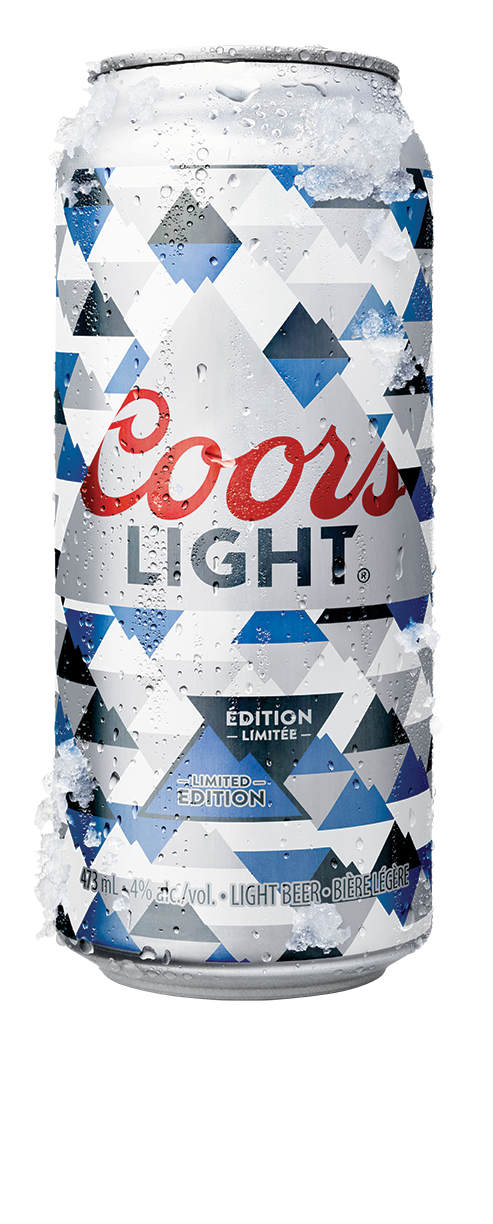
The Coors Light Summer Certified cans program, which kicked off in May and will run all summer, features six limited-edition cans with sunlight-activated specialty inks and printing.
The cans are available in 355ml and 473ml sizes and will be released in phases.
“Our market research has shown that one of the top drivers of consumer purchase intent is ‘packaging that stands out’," Coors Light's assistant marketing manager Garrick Frittelli said.
"This innovation, which leverages both photochromic and thermochromic inks, will be a key differentiator for Coors Light this summer.”
“These inks will bring the can to life by revealing bold, bright colours when the cans are exposed to the sunlight."
The six unique cans are based on variations of geometric designs inspired by Coors Light’s iconic mountain shape and updated visual identity, and will use a range of yellow, orange and purple inks as well as a bolder, cold certified blue.


