


Australian startup Cellr has developed a wine bottle lid that aims to combat counterfeit wine. The company said it allows consumers to confirm a wine’s provenance, verify its producers, and access brand and promotional messaging, using near-field communication (NFC) and radio-frequency identification (RFID).
Consumers can download an app to access the information available via the lid. Cellr said the lid can provide track-and-trace and anti-tamper capabilities, and it can also help with automated inventory management.
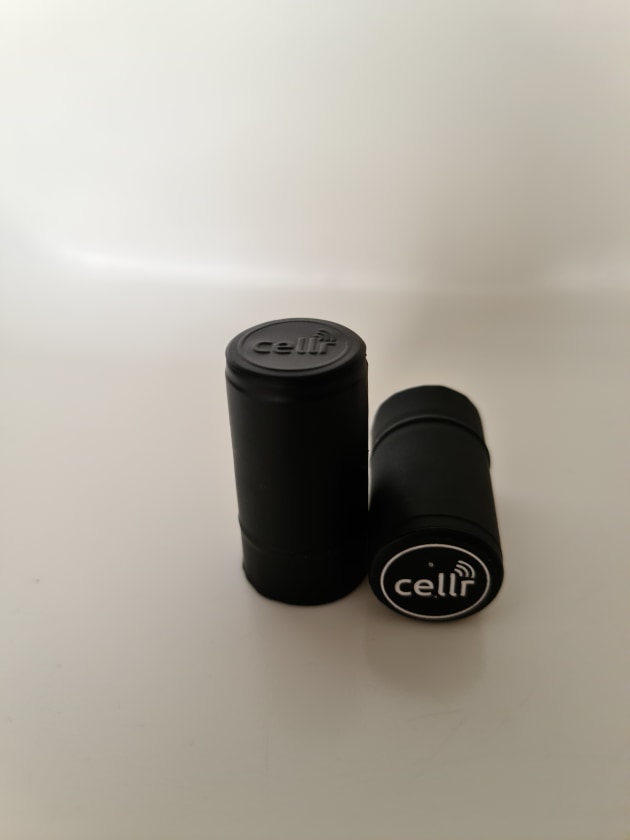
Chris Braine, director and co-founder of Cellr, said by creating tech-enabled lids that can be embedded directly into the bottling line, the company was giving winemakers a way to produce “digital birth certificates” that can be accessed by the customer.
“The technology is simple to use, simple to install and tackles a growing issue, not just in the wine sector,” Braine said.
“As a marketing platform, the ability for brands to engage directly with consumers and serve them content, competitions or product support is invaluable.”
Mick Mickel, Cellr director and co-founder said, “The global supply chain will be able to use the advanced inventory management features to reduce manual effort via automated stock control.”
Jens Goennemann, managing director of AMGC, said Cellr’s smart bottle caps is an example of advanced technologies enabling manufacturers to turn challenges into opportunities.
“The ability to protect your product and brand, yet engage with consumers at the point of purchase is a win-win for all,” Goennemann said.
“Cellr’s technology has endless applications across a broad range of industries beyond beverages, allowing end-users to verify the product, seek further information or, in time, be linked to supporting information for the product they are purchasing – it’s proof that Australia can, and continues to manufacture, world-leading solutions.”
The development of the smart-cap technology was co-funded by the Advanced Manufacturing Growth Centre (AMGC) and developed in conjunction with wine services provider Portavin and South West Development Commission, which is part of the WA Department of Primary Industries and Regional Development.


