


Plastic Free July is back, encouraging individuals and organisations to reduce their use of single-use plastics by making simple, reusable swaps throughout the month.
The global campaign, run by the Plastic Free Foundation, promotes everyday changes such as refilling a water bottle, bringing a reusable cup, or replacing plastic food wrap with containers or wax wraps. This year’s message, “Small steps, big difference”, focuses on avoiding commonly used items like disposable cups, plastic drink bottles and cling wrap.
According to the foundation, more than 100 million participants across 190 countries have taken part in the initiative, helping to avoid an estimated 10 billion kilograms of household waste over the past five years.
Resources provided cover a range of everyday scenarios, including guidance for schools, workplaces and community groups. The campaign offers practical tools such as videos, posters and ready-to-use solutions.
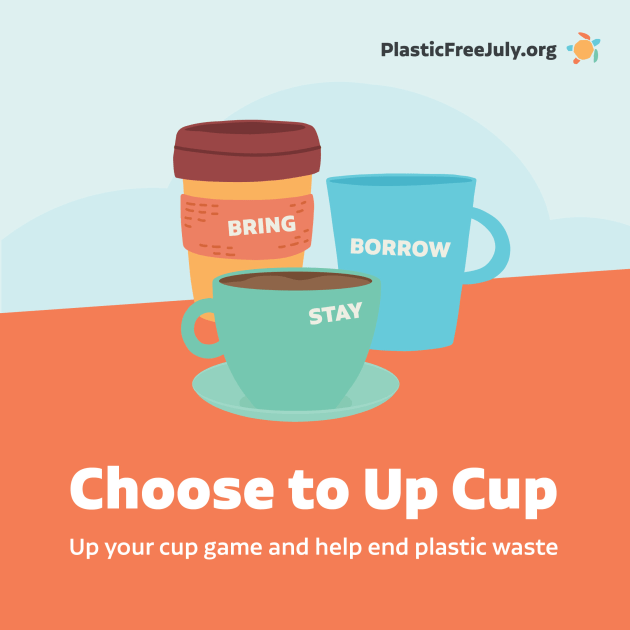
One of the featured solutions is the “Choose to Up Cup” initiative, which offers alternatives as more people become aware that single-use coffee cups aren’t readily recycled.
Participants are encouraged to either bring their own cup, borrow or swap one at participating cafés, or take a few minutes to enjoy their drink in-house, a simple “Bring, Borrow, Stay” approach aimed at reducing the billions of single-use cups discarded each year. Here in Australia, Borrow is a reusable cup programme that has recently rolled out in Sydney.
The Australian Packaging Covenant Organisation (APCO) is among those supporting the initiative. In a LinkedIn post, the organisation encouraged its members and staff to adopt reusable options during the month, stating that single-use plastics “create unnecessary waste that could be avoided with a humble tupperware, thermos, or coffee cup”.


