

Glad launches OB plastic recycled garbage bags
Kitchen bag brand Glad says it is playing its part in preventing plastic waste from entering oceans, continuing its partnership with Oceanworks and introducing its all-new 50 per cent ocean-bound (OB) plastic recycled garbage bags.
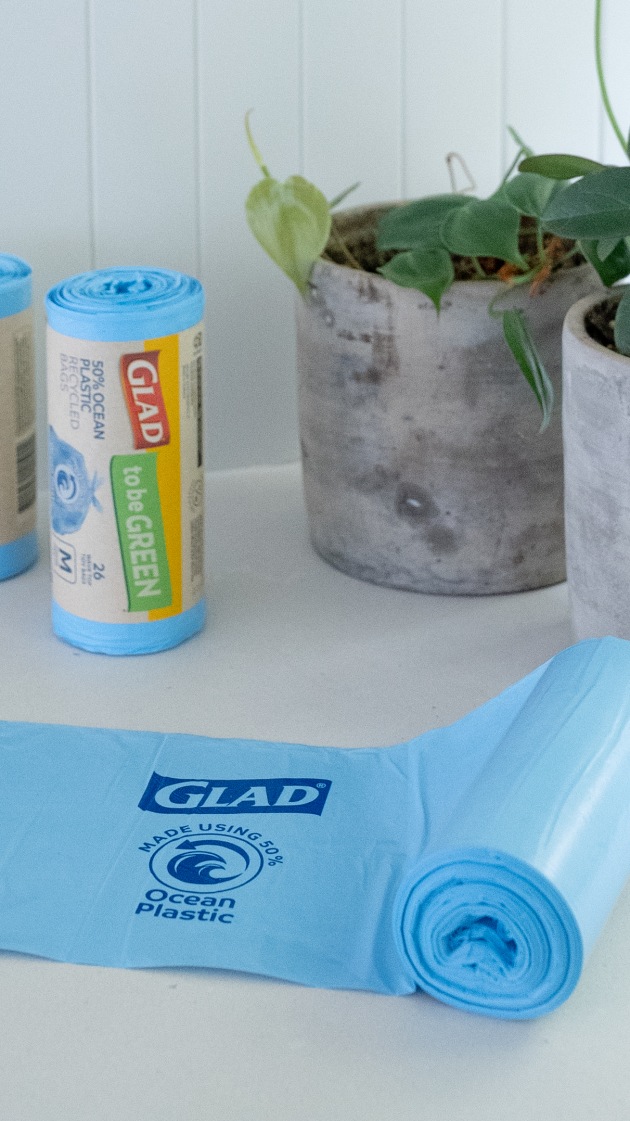
Since launching the ocean-bound plastic range in kitchen tidy bags in October 2021, Glad has helped divert the equivalent of 9.6 million 2L bottles' worth of plastic waste away from the ocean.
By switching to the new Glad to be Green 50% Ocean-Bound Recycled Plastic Kitchen Garbage Bags, the company says “Australians can also do their part” to help stop plastic waste from entering the oceans.
“We’re proud to continue Glad’s sustainability journey to help stop plastic waste from flowing into our oceans,” said Joy Delis, marketing director of The Clorox Company ANZ, which owns the Glad brand.
“Extending our ocean-bound recycled plastic range to now include garbage bags ensures that we continue to help divert plastic waste away from our shorelines.”
Each roll purchased helps prevent the equivalent of two 2L plastic bottles from entering the ocean, collected from communities within 50km of shorelines with no formal waste collection.
“While there are no silver bullets to solving ocean plastic pollution, every tonne of material successfully recycled represents meaningful change, which compounds over time as those practices are repeated and adopted by others,” said Vanessa Coleman, Oceanworks’ CEO.
“We decided to partner with Glad on this campaign as our goals aligned, and we’re both serious about making a meaningful impact. It’s a win-win-win when helping Glad with their switch to recycled plastic.”
The new garbage bags are now available at Woolworths and selected local supermarkets.


