


Sydney-based design agency Denomination has been recognised for its work for Carlton & United Breweries' Mercury Hard Cider brand.
It was given a Design Business Association (DBA) Design Effectiveness award for its can design, and is believed to be the only Australian agency to win in the UK competition.
Denomination was asked to help the cider brand reach younger consumers after it saw a decline at the rate of -7 per cent.
The design team worked on creating immediate shelf impact through the packaging and identity of a new range of Mercury drinks, pioneering a new category in the cider market.
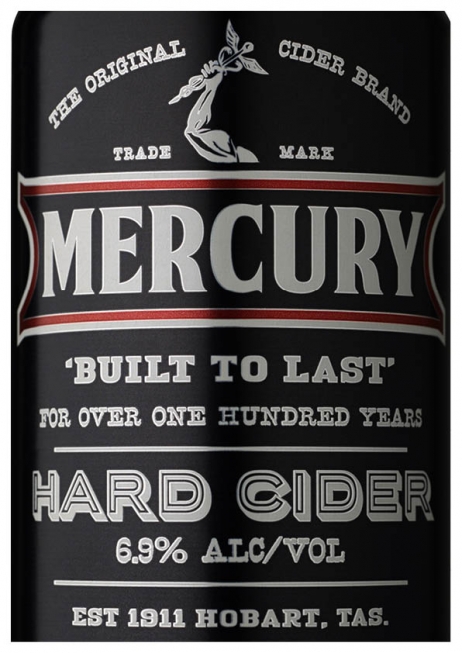
According to the Denomination team, there is a ‘sea of sameness’ on the cider shelf, with most bottles and labels embodying a rustic feel.
Mercury Hard Cider offers a masculine alternative with a higher percentage of alcohol.
The packaging design reveals a black background with bold capital lettering and minimal imagery, and the brand is targeted at the 18 to 24 age group.
The colour palette of black, red and cream, common amongst hard spirits and bourbons, broke category conventions in cider and positioned the brand as unique, masculine, and confident while carrying a proud history.
Since its release, the Mercury brand has grown by 6.1 per cent, and has become the fastest growing of the top five cider brands in Australia, according to Denomination.
The DBA's annual Design Effectiveness Awards is the only award scheme that uses commercial data as a key judging criteria.


