



Glass container manufacturer O-I Glass has created Millie, a new glass packaging solution for drinks and snacks operation Emma & Tom's, teaming up with the Australian Beverage Council, brand agency Voice, and Monash University.
Millie was designed for consumers conscious of the 5+2-a-day recommended intake for fruit and vegetables, with two servings of fruit included in the 250ml glass bottle.
As the winning design, Millie is being trialled by O-I, and has secured Emma & Tom's as its consumer launch partner.
“We will be launching a range of premium chilled fruit juices and smoothies in the Millie bottle, once O-I has completed its trials,” said Emma & Tom’s co-owner Emma Welsh.
“We are seeing a definite shift with consumers leading the change in the market away from plastics. Glass provides a strong fit with the health and sustainability values that are central to our business and is the best and most sustainable choice for packaging our juice.”
Welsh said the products will be sold into China initially, particularly leading hotels, as a result of the strong move away from juice in plastic to juice in glass, and will also be launched in Australia.
Students from the Monash University Faculty of Art, Design and Architecture presented ideas to O-I and Voice, which developed and refined their understanding, as well as experiencing the glass manufacturing environment by visiting an O-I plant.
O-I Australia New Zealand business development manager Bayard Sinnema said the challenge for the students was to work in groups, and create a solution for consumers to have a clear understanding that the drink helped meet their daily nutritional requirements.
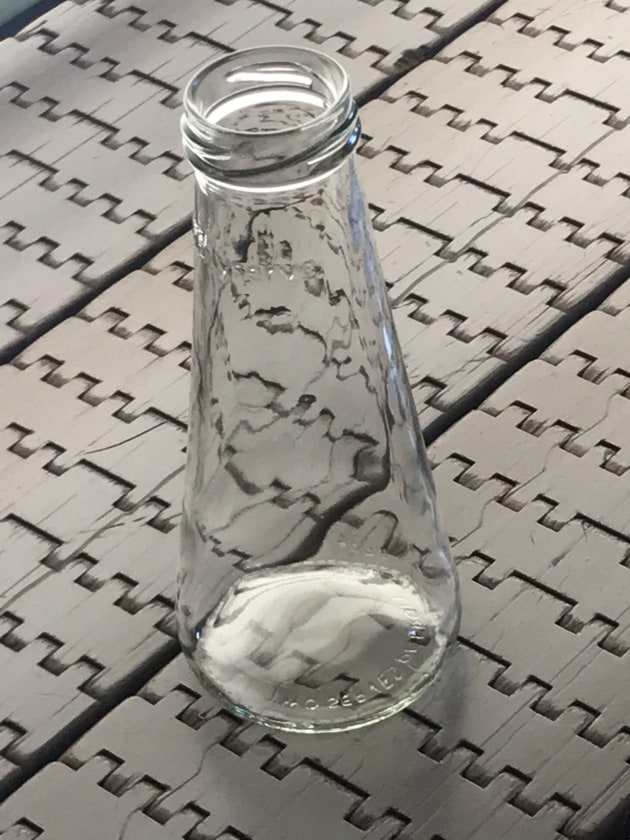
“It was extra challenging for the students as the design needed to fit within our operational parameters, and packaging design parameters outlined by our design agency Voice, and also solve the real-world health problem of people meeting their daily recommended servings of fruit,” said Sinnema.
Monash communication design students Katelin Eichner and Harrison Young went to O-I on internships to help develop a product and communications strategy for Millie.
The practical experience for the students through such industry engagement is essential for contemporary design schools, said Dr Gene Bawden, Monash University Department of Design interim head, where students were taught skills in communication, collaboration and pitching ideas.
“In practical terms, they were learning about a material that they can only access with a real company that manufactures it,” said Bawden.
“You cannot pretend to know about glass unless you are actually working with it, such things as the shapes that are possible and an accurate understanding of quantitites.”


