


Sustainability Victoria is marking two decades as the state’s lead agency for waste reduction, recycling, and emissions management.
The agency’s initiatives have supported household recycling, community-led sustainability projects, and industry innovation. Its work has enabled recycled materials to be used in roads, buildings and benches, and helped create markets for reused and repurposed products. According to Sustainability Victoria, its programs have unlocked more than $500 million in co-investment from the private sector and the Australian Government.
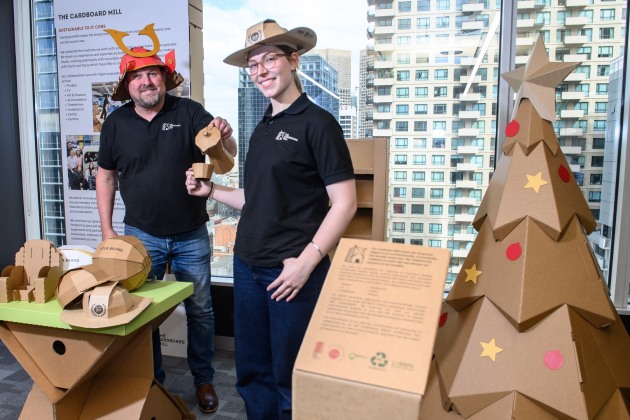
“By rethinking waste, Sustainability Victoria has enabled recycled materials to be used in roads, buildings and benches, supporting the recovery of valuable resources and building the market for circular products,” said Matt Genever, Sustainability Victoria’s CEO.
Other visible projects include education and behaviour change campaigns, and support for grassroots initiatives such as tip shops and tool libraries. The agency has also funded pilot projects, set standards, and helped businesses scale sustainable solutions.
Sustainability Victoria was established in 2005 to consolidate efforts around waste management, energy efficiency, and climate change mitigation. Its work has included rolling out large-scale recycling infrastructure and developing new markets for recycled materials.
Looking ahead, the agency plans to continue strengthening Victoria’s circular economy, including sustainable procurement, local markets for recycled materials, and partnerships to scale impact.
“Victoria’s future depends on how well we manage and reuse our materials,” said Genever. “By facilitating connections between government, industry and community, and sharing our learnings and expertise, we can collectively bring about the change we need. Sustainability Victoria’s work is not just technical, it’s deeply human. It’s about equity, resilience, and ensuring that every Victorian can participate.”


