


The compostable packaging trend is gaining traction, with a number of companies rolling out new offerings.
Ceres Organics, for example, has launched a range of home compostable packaging in a move to reduce the use of single-use plastics.
The New Zealand-owned company has overhauled its cereal range so it now uses completely home-compostable packaging.
The re-sealable, see-through pouch has the transparency and barrier properties required to display packaged food and ensure it stays fresh without the use of any unnatural additives, the company says.
Designed to help reduce the amount of waste going to landfill, the home-compostable package is made from renewable resources, such as cellulose, a renewable raw material from trees.
Compostable packs to go
UK food packaging solutions manufacturer Colpac has also developed compostable paperboard for the ‘food-to-go’ market in Australia.
It will share its compostable paperboard packaging concepts with the Australian market at the Fine Food Australia show next month.
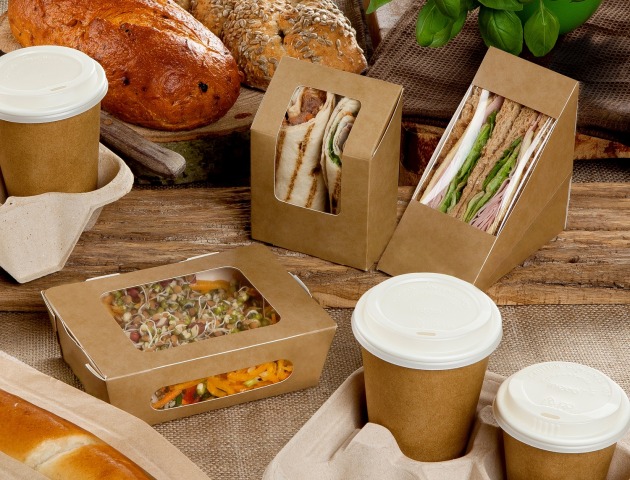
Colpac’s Zest range was developed in response to growing demand from foodservice operators looking for packaging which is eye-catching while keeping the product fresh.
It is also fully recyclable while serving up the growing range of food-to-go dishes.
Created from wood-pulp, the Zest range includes products in printed Kraft effect board for a natural look. It protects the product while enhancing freshness and is grease-resistant.
Recently, Colpac extended its sustainable food packaging offering to include a Compostable Ovenable Tray.
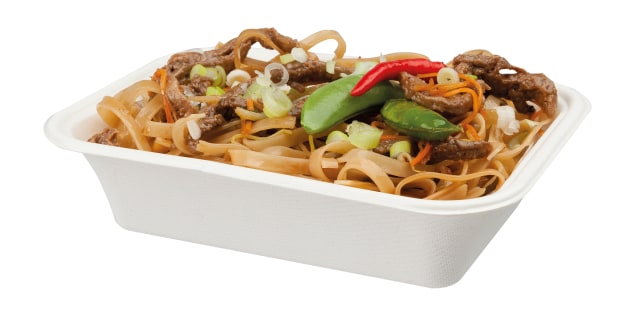
Suitable for noodles, pasta, stir-fry or rice dishes, the Compostable Ovenable Tray is durable enough to withstand a meal of up to 500ml.
Suited to the takeaway and home delivery market, the tray is believed to be the only pulp bagasse tray which is completely mono-material, not laminated, and suitable for oven and microwave use.
Created from 100 per cent sugarcane fibres, the tray is environmentally friendly and easy to compost, and an efficient alternative to traditional trays which were typically made from Cpet, polystyrene or aluminium.


