


The Australasian Recycling Label (ARL) program continues to go from strength-to-strength, recently passing the 500th member mark and welcoming a range of iconic household brands into the mix.
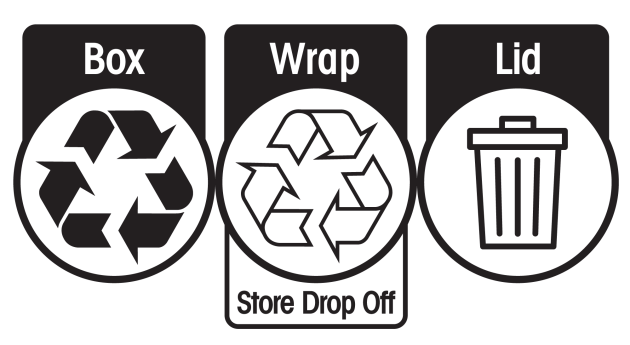
More than 44 new organisations have already joined the ARL program in 2021 alone, and in the past 12 months, 193 businesses have signed up for the program, taking the total membership to 530.
“This month, the ARL was a key focus of the Australian government’s inaugural National Plastics Plan, with the innovative labelling program recognised as a key consumer recycling education tool,” says Brooke Donnelly, Australian Packaging Covenant (APCO) CEO.
“With the Australian government committing to work with industry to apply the ARL on at least 80 per cent of supermarket products by December 2023, there has never been a better time for Australian businesses to get involved.”
Some of the businesses will start their ARL program journey by assessing their packaging recyclability using the online Packaging Recyclability Evaluation Portal tool. These brands include: KFC, Northern Valley Packers, Straughton Group, Bluebird Foods Limited, and Bostik Australia.
“The ARL is a fantastic initiative that’s endorsed by all Australian governments to help make recycling easier,” says Trevor Evans, assistant minister for Waste Reduction and Environmental Management.
“For anyone that hasn’t joined up – what are you waiting for? I strongly encourage businesses of all sizes to get in touch with APCO today to find out more about the program and get started.”
A range of organisations has also had their first ARL artwork approved and will soon have product packaging containing the label appearing on shelves to help their customers recycle correctly.
Some of the brands to look out for with this include: Paper Australia, lululemon Athletica Australia, Swisse Wellness, and Nerada Tea.
“Brands have an important opportunity with their consumers, not just informing them of packaging materials, but guiding them in how to dispose of the packaging after use,” adds Sarah Chibnall, group director, Communications and Sustainabilty, H&H Group.
“The Group and our brands in Australia – Swisse and Biostime – are committed to designing products with material recovery at the end of life in mind. Working closely with APCO is key to helping us improve our efforts in this space.
“We see the growing willingness of consumers to recycle and wholeheartedly believe that a higher number of brands that are providing ARL guidance leads to better environmental outcomes and reduced waste.
“ARL directions on packaging are an important part of the whole recycling systems in Australia and play a key role in the positive reinforcement loop.”
For more information about joining the ARL program, visit the APCO website or contact the ARL team on arl@apco.org.au.


