



Step into any supermarket or department store right now and you'll see snowmen, reindeer and candy canes adorning all kinds of packaging.
Employing seasonal designs is a profitable temptation few can resist, but some have argued it can diminish brands.
Not only that, but many companies have ended up with loads of excess stock when goods have not been sold before the season ends.
Realistic forecasting and having the special packaging ready for use at the start of the season are important ways of preventing this scenario, according to experts.
An infographic questioning the value of seasonal packaging has just been released in the US, displaying varying views on the value of these limited-time-only designs:

Duo Plastics UK managing director David Brimelow says good manufacturers should liaise with customers on a weekly basis to ensure they are fully informed of stock levels.
“This, combined with our ability to manufacture to short lead times, means customers can cope with surges in demand without running out of packaging or, conversely, have cash tied up in excess stock,” he says.

“As well as the challenges, there are also real logistical advantages to limited edition packaging – to start with it can be designed specifically for the job in hand.
“Practically speaking, limited edition packaging doesn’t have to be complicated or expensive to produce either. Just changing the print colour to a metallic red or green is very cost effective, but still demonstrates that a brand has done something special for the festive season.
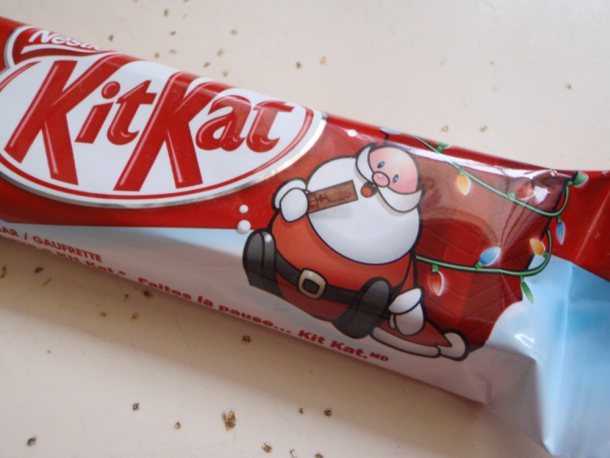
“Even if a new design is required, we really aren’t talking big money.
“Brands need to do all they can to capitalise on the crucial Christmas trading period and it’s clear that many companies, particularly ones with big budgets, believe that limited edition packaging lends them an edge.”


