


Research by Conservation Volunteers Australia (CVA) and Provocate highlights the concerning rise of microplastics in Australia's marine ecosystems, constituting a quarter of urban litter, surpassing traditional plastic waste by over tenfold in the last three years.
This increase in microplastics pollution coincides with a roughly 20 per cent rise in threatened marine species, indicating a growing ecological challenge.
As the official partner of World Ocean Day in Australia, CVA intends to present these findings at the upcoming COAG meeting to address vital reforms in plastics, packaging, and species protection. Their #SeaToSource programme aligns with federal targets, aiming for an 80 per cent reduction in plastic entering the environment by 2030 through systematic data collection and cleanup initiatives.
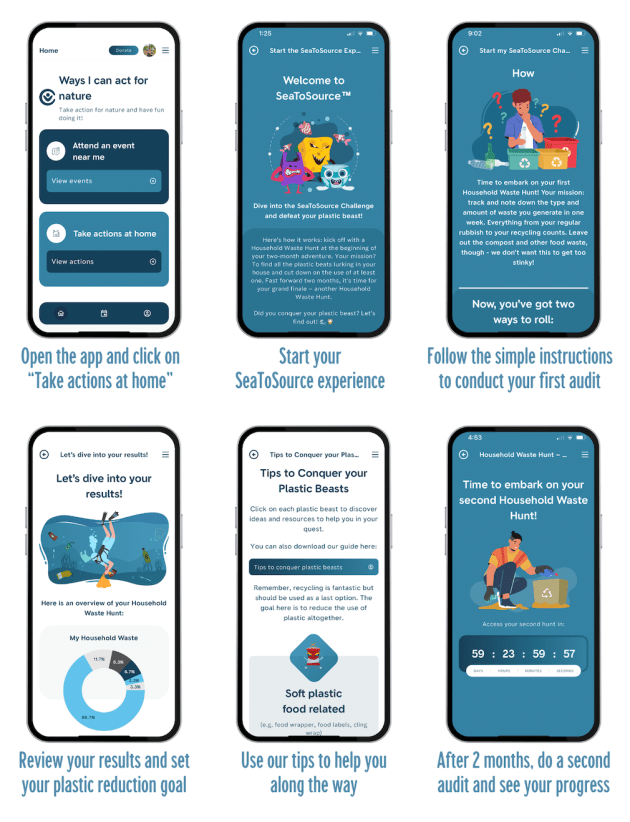
Phil Harrison, CEO of CVA, highlighted the concerning statistics, with Sydney, Adelaide, and Tasmania's Hobart/Launceston region having the highest concentrations of marine microplastics. These figures contrast sharply with the national average between 2020 and 2023. Harrison emphasised the immediate need for community action, urging Australians to engage with the CVA community app, participate in the #SeaToSource waste challenge, or contribute donations via the CVA website.
“Our capital city catchments are now more contaminated with microplastics than any other litter type,” Harrison said. “This poses a severe threat, especially to threatened marine species like birds, which can ingest these microplastics, leading to dire health consequences and potential death, ultimately endangering our food chain.”
The research also indicates a troubling surge in the number of critically endangered fish, reptiles, and turtles, doubling or tripling in recent years.
“We are on the brink of having more plastics in our oceans than fish,” Harrison cautioned. “It's imperative for community action to escalate to prevent the extinction of these vulnerable species.”


