Researchers from the United States and Europe are attracting strong interest from the retail sector for a new type of plastic they say can prevent mould and bacteria growing in such perishable food staples as bread and cheese.
US pharmaceutical company Janssen and UK plastics manufacturer Symphony Environmental have spent two years developing the new material, which they say fixes antibacterial and anti-fungal chemicals into the plastic.
They say the plastic, dubbed D2P, has been shown in clinical tests to significantly extend the shelf life of bread and cheese, without contamination.
The companies say they are now in discussion with a number of food manufacturers and retail chains in Europe to use D2P to package their products.
Symphony Environmental director, Michael Stephen, told European media the plastic also had the potential to extend the shelf life of other grocery staples including fruit, vegetables and meat.
“We have come up with a way of making plastic that is antimicrobial and can be used in food wrapping,” he said.
He pointed to research showing up to a third of bread purchased in supermarkets in countries such as the UK is wasted and thrown out by consumers because of mould contamination.
Stephen said the anti-bacterial and antifungal chemicals used in the plastic had shown great success in lab trials in its ability to control such common causes of food poisoning as E. coli, salmonella and listeria. It also showed great success in controlling the growth of fungus that grow on breads and others such as mucor piriformis, which causes soft fruits to rot, and penicillium roqueforti, common on cheese.
Stephens said while food applications were an initial target for the technology, it could be adapted for use in many other applications.
“We anticipate it being used in pipes, door handles and hand rails on the tube, for example, to help reduce the spread of bacteria,” he said.
“It can also be put into man-made fibres, so we are running some trials putting it into clothes and trainers to stop the bacteria that can cause them to smell.”
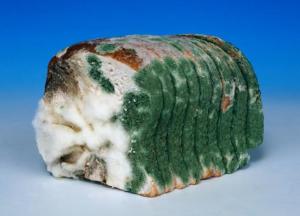 A new form of plastic is being hailed as a breakthrough in helping keep products such as bread and cheese mould-free for longer, and help prevent food waste.



