



Matilda's frozen fruit in pouch packaging have gone mainstream with the launch this week in Coles supermarkets in Victoria.
Matilda’s Australian Frozen Fruit was first launched in December 2015 by third-generation strawberry farmers Matt and Ruth Gallace, and co-founders of the successful Rebello cider brand. At the time of launch, Australia was still reeling from the 'frozen berry scandal' after dozens of people contracted Hepatitis A from eating imported contaminated frozen mixed berries.
The company chose to launch initially through the independent retail market to establish the brand and now it is going mainstream, sales and marketing director Richard Furphy told PKN.
For the first time, as of this week, 100 Coles Supermarkets in Victoria will stock a frozen berry and fruit option that is 100 per cent Australian grown, processed and packaged – and this message will be clearly communicated on the Matilda's packaging.
The origin of each product is completely transparent, with the fruits’ growing region and its place of processing and packaging clearly printed on every pouch.

The company has invested in a purpose-built facility for processing and packaging in Yellingbo, in the Yarra Valley.
“We’re really proud to provide a product that clearly states where the produce originates from, and where it is packaged. We have long argued that there needs to be far more transparency around food origin, and how it’s processed and packaged,” co-founder Ruth Gallace said.
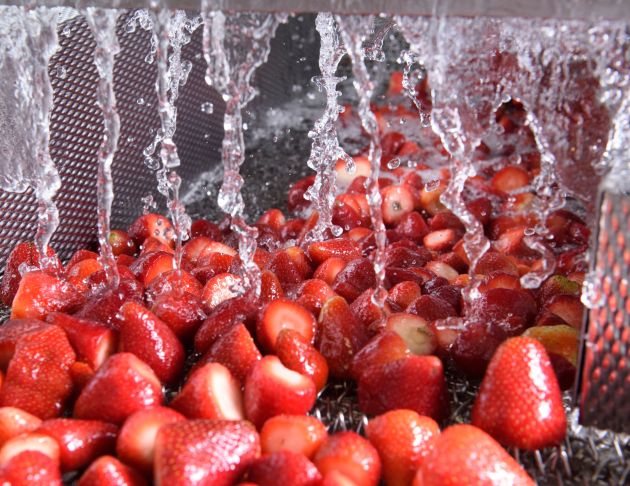
Matilda’s berries are mostly sourced from Sunny Ridge Strawberry Farm, which has been in the Gallace family for 50 years, and covers 800 acres of land in Victoria and Queensland. Matilda’s also sources mangoes and additional berries from a network of Australian farms, built over decades of involvement in the farming community.
The berries are all hand-picked and graded, before being washed and snap frozen in a continuous blast freezer, then packaged on a vertical form fill seal pouch packaging line into flexible stand-up pouched with a resealable zip closure.

The Gallaces’ interest in contaminant-free processing and trustworthy food-origin labelling is compounded by having a daughter whose anaphylaxis can be triggered by trace amounts of an allergen.
“In many cases nuts are processed on the same site used to process other foods, which causes great concern for parents who have children with allergies. I’m only too well aware of the need to ensure there is no chance of contamination,” says Ruth Gallace. She adds that the fact that they’ve built the factory from the ground up, and the packing site is used exclusively for fruit, means there’s no risk of cross contamination.
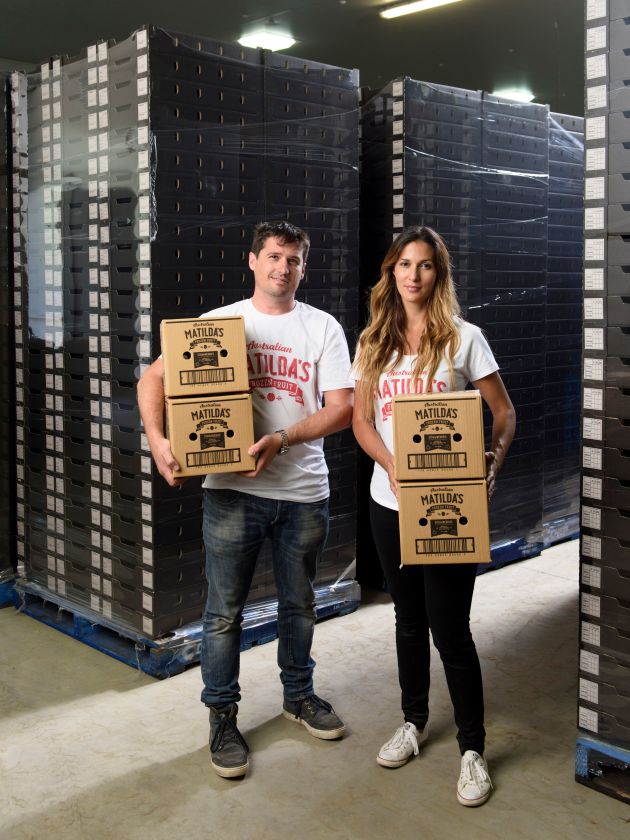
Richard Furphy explains that the family has been a preferred Coles supplier for almost 40 years, so selling through Coles is a natural fit. “Coles has closely monitored our progress from the beginning: from the factory construction to the launch of the business and the enthusiastic uptake of the range in the Australian market.”
The company says it currently has enough berries to supply Coles in Victoria, but if the customer response is similar to that which it in other channels, it anticipates being listed in Coles nationally before long.


