


In the last weeks of December and first weeks of January every year, lists of packaging trends predictions are published. It doesn't take long for these to be apparent on shelf. For some brands, being in with the in-crowd matters. But for all brands, being distinctive should be paramount. Are trends on your packaging's wish lists or the elements you intend to avoid?
PKN asked some of Australia's top packaging creatives, TRENDS: FRIENDS OR FOES? Here's what they told us.
Daniel McKeating, creative director, Lost & Found
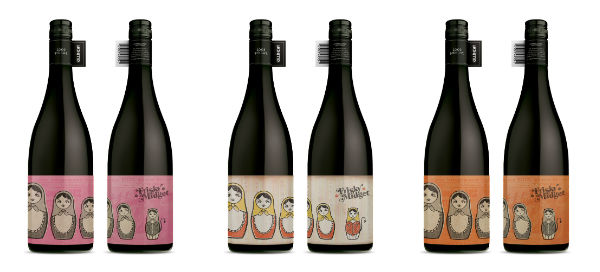
As brand consultants to the food and beverage industry, it is important for us to be aware of the latest trends in branding and packaging. But not so we can jump on the bandwagon. It’s so we can provide our clients with sound advice on how to radically differentiate their brand in a highly crowded marketplace. The rule for us is simple: when others zig, our clients must zag.
Trends can be powerful sources of growth for brands. But finding a new trend to lead can be difficult. If our client can’t be the leading brand to tap into a particular trend in their category, we will often advise them to find a new trend, and/or set up a new category in which they can be the leader.
Jumping on the trend bandwagon is a dangerous game to play, particularly if the brand is a late entrant to the market. The risk is that consumers may end up perceiving the brand as another “me-too” product that is just there to make a quick buck. A great example of this is the portable music player category. Following the overwhelming commercial success of the Apple iPod, Microsoft decided that it wanted a slice of the action. Enter the Microsoft Zune MP3 player. Technically superior to the Apple iPod, yet it was a huge commercial failure. The Zune was widely perceived to be an ‘iPod knock-off’ that lacked authenticity.
Arran Russell, creative director & co-owner, The Folke Army
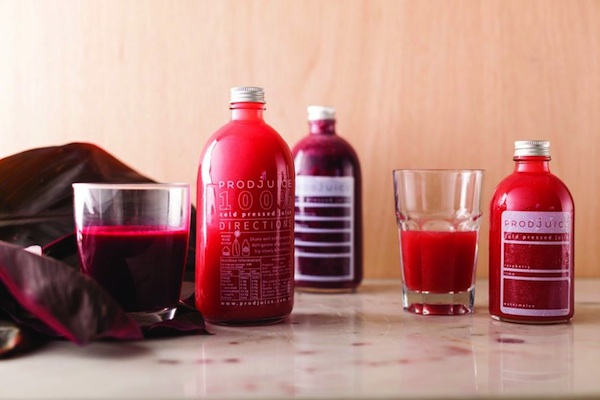
Trends can be both friend and foe, as it depends on the brief and the client. Some clients have a very specific look they want and it may be a trend. We work for the client and we're here to advise and facilitate their needs. A lot of designers forget the client and their product and design purely for themselves.
We always think about the client and try to turn a problem into a positive, the solution may be trend driven or not. Our example of a Trend Friend situation is Frozen Dough Co. All the references the client had supplied were very trend driven. The logo is based on circles, for example, and the brand name itself ends in Co. as opposed to company. We took all of this on board and used the product as the logo instead of drawing a typical circle. We simplified the typeface so it became about the cookie.
In general, though, we would always try and buck the trend. This is always brief specific, but it is our role to find the best solutions to present to the client. A lot of packaging can be expensive, and when you begin to consider off shore manufacturing very large minimum orders add to this. It is our role to find solutions that fit within our clients’ budgets. The challenges in regards to trends are not specific to brands that have packaging or don’t. The design briefs for both present their own challenges, but it is always a rewarding process to find the best solution for the client. We design for longevity, but can always incorporate elements of trend driven design aspects. Successful design does not date. We brain storm ideas and then use a process of assessment and elimination to remove ideas that fall into the trend category and the already executed category. We keep doing this until we get to an idea that we think is right for the client’s brand - both in the present, and in the future.
David Ansett, founder & chief creator of brands, Truly Deeply.

A few years back we researched and published a report into trends in brand visual language.
In the time since, we've kept a close eye on the evolution of these trends and how they're impacting brands today.
Trends, by their very definition, are a brand's best friend. A trend is a theme that attracts an undue amount of interest and passion whether within a particular segment, target market or a broader audience. Very few brands can afford to ignore the benefit to be derived from leveraging these themes - if and when they are aligned with the brand's value proposition. Our research uncovered plenty of brands that were effectively leveraging the positive benefits of trends even when they were not as aligned as they should be.
In the last decade the power of 'green' has become a stronger and stronger platform for brands. The 'green' trend encompasses a host of positive connotations such as healthy, natural, good for the planet, good for future generations, sustainable, organic - the list goes on. Many brands have built their success around genuine products and services aligned with being 'green'. And just as many, if not more brands, have falsely hitched their wagon to the trend in a sub-trend we call 'greenwashing'. Bottled 'organic' fruit juice filled with preservatives and burgers sold nationally under the brand promise of 'healthy' are a couple of examples of this.
All trends follow a bell curve of popularity. Early on, they are spread by the influencers before moving to the mass and then petering out over time. Not all brands are suited to all stages of the bell curve. Brands need to understand at which stage they should leverage a trend for greatest benefit, and at which point they need to unhitch themselves from it.
Just as importantly, brands need to understand the difference between leveraging trends and following them. To leverage a trend the integrity of the brand and it's proposition must be paramount with relevant trends providing the opportunity to develop new campaigns, products or services that remain authentic to the brand, whilst providing viral-like access to a band of new customers.


