• Participants will leave with an understanding of the technology needed to achieve product identification compliance as well as process improvements.
    Participants will leave with an understanding of the technology needed to achieve product identification compliance as well as process improvements.

Close×

The Australian Institute of Packaging (AIP) will run a training course in product identification requirements through the supply chain this October.

'Introduction to Product Identification' will be a half-day course with speaker Mark Dingley from Matthews Australasia sharing insights from his 20 years of experience in the product identification and inspection industry, working with industry associations in developing and implementing standards and best practice for manufacturers.

Dingley is the general manager of Matthews, chairman of the Australian Packaging and Processing Machinery Association (APPMA), and actively involved with GS1 Australia.

Participants in the course will leave with an understanding of the technology needed to achieve product identification compliance as well as process improvements. Dingley will speak on where product identification is heading, including the role of serialisation and product identification in reducing waste and improving profitability. It will include hands-on training on a wide range of identification and inspection equipment such as label print and apply and vision systems.
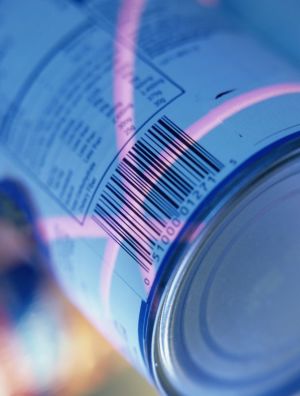
Other topics will include barcoding requirements on all levels of product packaging; and product inspection technologies.

The course is suited to packaging technologists, designers, engineers, and production and operations personnel. It will be held in Scoresby, Victoria, and run from 10am to 3.30pm on 22 October.

You can register here.

Food & Drink Business

With Australia’s productivity slide concentrated in industries that make, move and sell physical goods, supply chain automation company, Dematic, says the national debate has been looking in the wrong building.

Seedlab Australia has supported more than 600 small FMCG businesses, generating over $30 million in combined program value and Woolworths sales.

South Australian ready-meal business Local Kitchen Co has become the first in the state to enable SaH and NDIS participants to walk into a store and buy pre-made meals using their package funding.