Track and trace standards body GS1 has announced it's working with Australia’s National E-Health Transition Authority (NEHTA) to comply with newly introduced regulations by the United States Food and Drug Administration (FDA) to establish a Unique Device Identification (UDI) system for medical devices.
GS1 said its standards, specifically the Global Trade Item Number (GTIN), are already recognised across the healthcare industry as a unique identifier of medical and surgical products for every level of packaging and support UDI regulation.
The body said its Australian branch and the National E-Health Transition Authority (NEHTA) have been actively working to ensure that the NEHTA Supply Chain Program, which leverages GS1 standards, is aligned with the developing UDI initiatives.
The US FDA recently introduced the final draught of its UDI system, designed to improve the quality of data on devices and packaging in the medical sector in order to streamline adverse events reports and help it identify product problems more quickly, better target recalls, and improve patient safety.
“UDI represents a landmark step in improving patient safety, modernising our post-market surveillance system for medical devices, and facilitating medical device innovation,” the director of the FDA’s centre for devices and radiological health, Jeffrey Shurin MD JD, said.
The UDI system consists of two core items. The first is a unique number assigned by the device manufacturer to the version or model of a device, called a unique device identifier. This identifier will also include production-specific information such as the product’s lot or batch number, expiration date, and manufacturing date when that information appears on the label.
The second component is a publicly searchable database administered by the FDA, called the Global Unique Device Identification Database (GUDID) that will serve as a reference catalogue for every device with an identifier.
The FDA plans to phase in the UDI system, focusing first on high-risk medical devices. Many low-risk devices will be exempt from some or all of the requirements in the final rule.
“The highly anticipated UDI rule marks a turning point for healthcare and supports years of industry collaboration and demand to identify problems with medical devices much earlier, track recalls more efficiently, and improve patient safety,” GS1’s vice-president healthcare, Michael Pheney, said.
“In preparation for the UDI regulation, GS1 US has been leading the charge by proactively working with many of the largest healthcare manufacturers to adopt the GTIN and we expect implementation to accelerate as other healthcare organisations strive to meet the FDA’s requirements and timeline.”
In 2009, the number of adverse events for the medical device sector in the US topped 28,000 patients.
Pheney said the UDI rule has implications beyond the US healthcare supply chain.
“Other regions of the world continue to strive for enforced unique device identification,” he said.
“The FDA UDI rule supports global alignment efforts to use data standards that provide global product visibility and can identify recalled products that need to be removed from the supply chain."
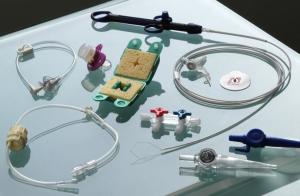 The new Unique Device Identification (UDI) standard will use product identifiers to keep careful track of medical and clinical devices and products.



