



Matthews Australasia CEO Mark Dingley shed light on how the company has been helping brands fight the counterfeiting powers that be.
Infant formula supplier Camperdown Dairy International took 12 months to research product ID technologies for its products before deciding to work with Matthews on a total service offering.
It's one of a growing number of companies which recognise the importance of fighting counterfeiting on a global scale.
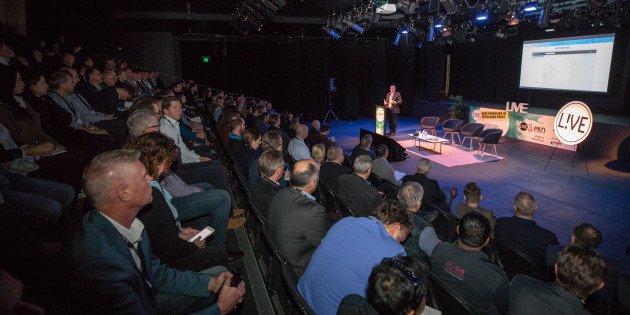
Most people would be surprised at how many everyday foods and drinks are counterfeited, says Mark Dingley, who spoke at the New Frontiers in Packaging Print Print 21+PKN L!VE event in Sydney on 3 August.
In fact, he says that globally, we are consuming more olive oil than there are olives being processed – so something doesn't add up.
Innovation in printed serialisation and coding on packaging has come along in leaps and bounds – but there is still much work to be done, he says.
Last year, a global taskforce captured nine million litres of counterfeit products over 67 countries in the space of four months – and much of the 'fake food' was being sold in China.
It's a global problem, Dingley says, with the most commonly counterfeited food products honey, meat, infant formula, milk and dairy, wine and spirits, fish and seafood.
“One in three wine bottles sold in China is counterfeit, and there's more Manuka honey sold in China that is actually manufactured in New Zealand,” he says.
Australia and New Zealand manufacturers have had their packaging sold, or taken from rubbish bins, then re-sold with fake food inserted.
Brands such as Blackmores and Swisse have been caught up in the controversy having their products 'ripped off', and counterfeit and substandard food has been used to line the pockets of thieves.
“The organised crime segment is turning to food fraud as it’s highly profitable, with minimal consequences,” Dingley says.
“But it damages the industry when people hear about such things as the melamine scandal with the New Zealand infant formula brand.”

Consumers want to know where their food comes from, and the social impact of the product, and Dingley says QR codes and serialisation solutions give brand owners the chance to compete in the digital world and offer much-needed information about food.
Serialisation is a cloud-based platform that helps brand owners provide authenticity, and QR codes are also useful as they can't be easily counterfeited.
These codes improve security while helping companies avoid packaging errors.
“The technology is not 100 per cent, but it does help prevent the product from being targeted and helps build protection,” he says.
“The humble barcode has evolved beyond point of sale to a QR code which can provide assurance through packaging.”
In Australia, Dingley says QR codes currently have a 10-15 per cent scan rate, but this figure jumps when an event such as a recall happens.
He says blockchain also has a key role to play in providing secure data – one which will continue to emerge as a disruptive technology in the future.


