Plastic packaging in the next few years will be decked out in colours to convey feelings of authenticity, naturalness, collaboration... and the Latin passion of Brazil, according to specialist chemicals producer Clariant.
The company's ColorForward packaging trend forecasting guide for 2014 has identified the key social trends it says will be reflected in the colour of plastics used to package consumer goods due to hit our shelves in the next years.
Clariant says its annual ColorForward’s predictions have helped define the colour trends that have attracted consumers over the past eight years.
“ColorForward uses the language of colour to express the trends that will attract people's attention and pave the hue palette for 2014,” the company says.
“For years, the service has helped manufacturers of all types of products immensely by giving them a head start on using the power of colour to intercept consumer purchasing decisions.”
The company says its ColorForward predictions are based on intensive research of the most influential societal trends around the world, with input by experts from the world’s major trend-watching organisations, and colour experts from industries as diverse as architecture, textiles, housewares, automotive, and fashion.
The company says the 2014 consumer plastics colour palette is based on four outstanding societal trends: “Keep It Real”; “Re-Use”; “There to Share”; and “Vamos Jogar Bola” (Let's Play Ball).
“Keep it Real” is based on hues designed to convey notions of honesty.
“One of the [Keep it Real] colours, 'Genuine', represents transparency and honesty. It’s grounded and a mindful colour, reminiscent of the authentic feel/taste of an olive. It is a classic colour that will withstand the test of time,” Norzihan Aziz, head of Clariant's ColourWorks Asia Pacific region explained.
“Re-use”, for its part, refers to consumers' becoming tired and disappointed with old ideas and waste.
“The colours are a visualisation of thinking outside of the box, of morphing discarded products into new-generation identities,” said Simon Clarke, Clariant's packaging market segment manager, Asia Pacific.
“There to Share” is a selection of colours, predominantly dark, designed as a nod to the interconnectedness of the digital world. “One Time Zone”, one of the colours in this theme, for example, gets its deep, dark colour inspiration from the city late at night.
“The blackness recalls a city by night; the red sparkles represent individual persons all over the world, digitally interconnected, sharing their experiences, thoughts, and ideas. At the same time, this colour represents the moment at night where one easily connects across time zones, as technology allows us to share effortlessly and in a fast manner,” designer at ColorWorks Europe/IMEA and a member of the ColorForward team, Judith van Vliet, said.
Finally, the spirit of Brazil, upcoming host of the 2014 Football World Cup and 2016 Olympics, inspired the final theme.
“The international football tournament will unify diverse countries and draw together millions of fans over one shared passion – their love for football,” Clariant said.
“Brazilians also express their joy through their colourful carnival infused with heart-pounding samba music and dance.
“These joyful events draw large crowds and, by extension, also can be perceived as an invitation to come together and unite to solve global problems. “
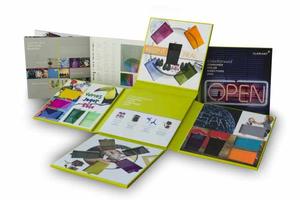 Clariant's ColorForward guide predicts colour trends for plastics packaging in coming years.



