Three local grain food manufacturers, Goodman Fielder, Sanitarium and Bakers Delight, have been announced as the first three registered users of a voluntary industry code of practice for labelling of whole grain ingredient content claims.
The three have signed up for the Grains & Legumes Nutrition Council (GLNC) code which seeks to increase clarity for consumers about the content of foods labelled as whole grain.
Launched in July, the code sets a standard for labelling of whole grain foods, with content claim levels based on Australian Dietary Guidelines recommending a Daily Target Intake (DTI) of 48 grams of whole grain.
The code has three levels: 8g of whole grain per serve minimum to say a product 'contains' whole grains; 16g of whole grain per serve to say a product is ‘high' in whole grain; and 24g of whole grain per serve to say a product is 'very high' in whole grain
Goodman Fielder and Bakers Delight will use both DTI statements and content claims in the marketing of their bread products.
Goodman Fielder will use the claims on pack, initially on its Helga’s bread products, while Bakers Delight will use it on the product pages of its website to provide customers additional information about its whole grain bread.
Sanitarium will use the DTI statement across its Weet-Bix range from next year.
Goodman Fielder's marketing director for baking, Kinda Grange, said the code was an important step towards helping people make better food choices.
“Goodman Fielder’s sign-up to the code, initially with Helga’s Continental Bakehouse range, will give consumers greater clarity about the whole grain content of the bread they’re buying,” she said.
“We wholeheartedly endorse the aims of the voluntary code, developed by the GLNC. The Code will help consumers to become more discerning and supports a greater propensity among main grocery buyers to actively seek out whole grain products.”
GLNC managing director, Georgie Aley, said that the adoption of the code by three such high profile bakers augured well for its wider adoption.
“Registration to use the Code on pack will pave the way for other major manufacturers to follow their lead,” she said.
“Wide adoption of the Code is essential to helping Australians compare products and choose foods that will help them meet the whole grain DTI.
“For consumers, they will begin to see consistent messages for the whole grain ingredient content of foods on food packaging and advertising. This will bring greater understanding about the value of enjoying grain foods three to four times a day, and legumes two to three times a week.”
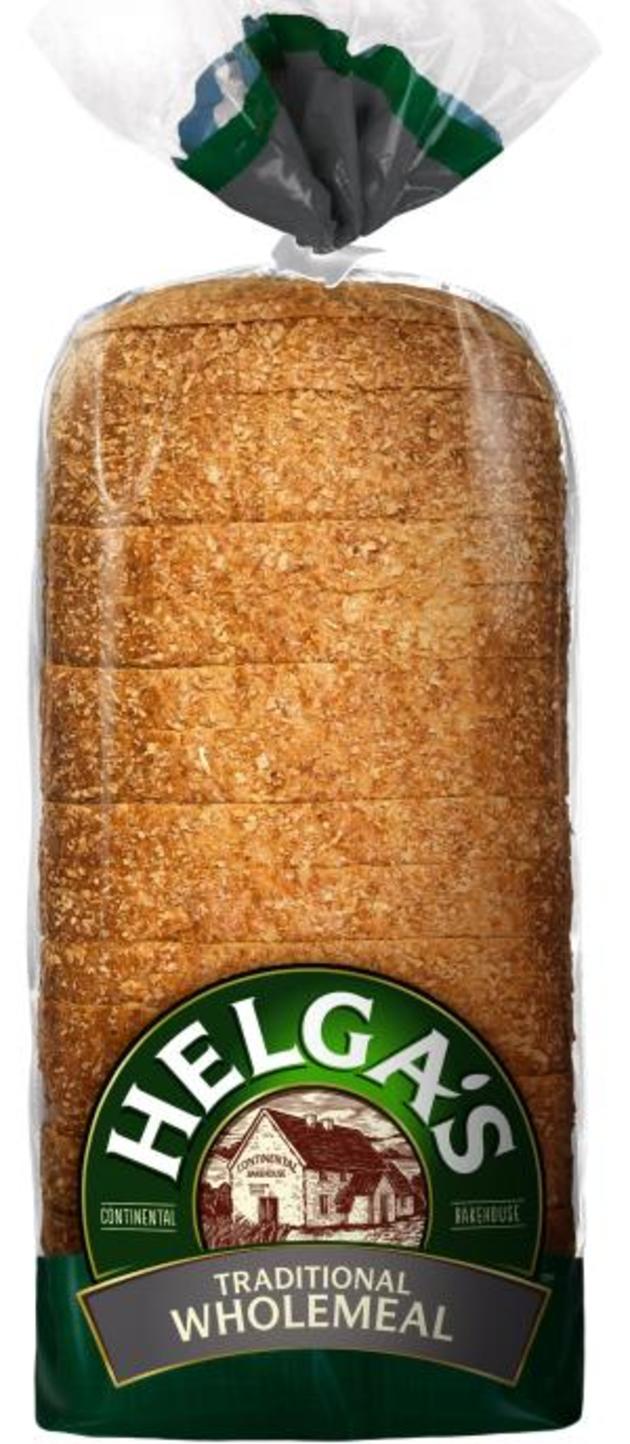 Goodman Fielder's Helga's Bread will apply the Grains & Legumes Nutrition Council (GLNC) whole grain code to its retail packaging labelling.



