The global aluminium aerosol cans market saw 5.4 billion aluminium cans produced in 2015, repeating the previous year’s record result.
The International Organisation of Aluminium Aerosol Container Manufacturers' secretary general Gregor Spengler said the result was pleasing given the economic turmoil in China, Russia and some emerging countries; enduring problems in Greece, Ukraine and the Middle East; the global uncertainty resulting from the development of the oil price; and considerable fluctuations in exchange rates.
“It demonstrates the strong capabilities of our member companies and the aluminium aerosol can’s excellent position in the fiercely competitive global packaging market,” Spengler said.
Production in Europe and the US, the dominant markets in terms of volume, was more or less at the previous year’s level.
Australia also remained stable, whereas volumes in Africa declined slightly.
Slight overall gains were reported in Asia and Central and South America, although some Asian and South American markets fell short of expectations.
The body care products market accounted for the lion’s share of all cans produced, unchanged at almost 80 per cent.
The household products sector is now responsible for over 10 per cent of total production.
AEROBAL president Eric Frantz (CCL) expects new applications and improved production processes in the future.
“Innovative valve systems now enable aerosol cans to be filled with hair dyes, for example,” he said.
“The aerosol principle offers outstanding opportunities to expand markets.”
The producers of aluminium aerosol cans also believe they are well placed to compete with other materials.
“Besides the wealth of unique functional properties that aluminium offers compared with competitive materials, the light metal’s high actual recycling rates offer additional benefits,” Frantz said.
“Further weight reductions thanks to new aluminium alloys and optimised production processes also ensure that the environmental performance of the can is improved further.”
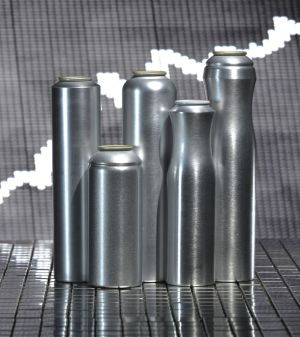 The global aluminium aerosol cans market remained stable in Australia in 2015.



