


Calls have been made to replace plastic bags with compostable versions.
The Australasian Bioplastics Association (ABA) has called for support of certified compostable bags as an alternative to single use lightweight plastic bags on the back of the recent Ministerial Roundtable regarding more states banning single-use conventional polyethylene plastic bags.
South Australia, the ACT, Northern Territory and Tasmania have already banned lightweight plastic bags, and representatives of New South Wales, Victoria and Queensland are currently discussing their options.
South Australia, the Northern Territory, the ACT and Tasmania did not ban certified compostable shopping bags.
The ABA states that conventional polyethylene plastic bags are not compostable or biodegradable, and are rarely recycled at end of life.
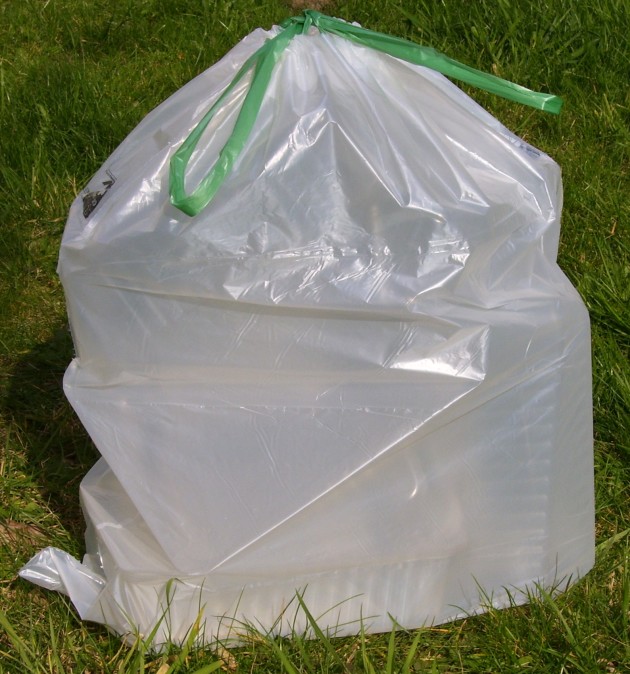
In a similar call to the one made by the Australian Organics Recycling Association (AORA), the ABA is requesting to have certified compostable bags exempted from a ban on conventional polyethylene plastic bags.
In Australia approximately 14 million tonnes of organic waste is generated annually, much of it food waste.
Used as a convenient way to capture food waste, certified compostable bags can be disposed into green waste bins and sent to composting.
Certified compostable bags are digested by microorganisms in the compost in the same way as food waste, according to the ABA.
The compost can be used to improve agricultural soil quality by returning carbon and other nutrients back into the soil.


