



In today’s competitive economy, manufacturing is all about efficiencies and throughput as they work to supply retailers with consumer goods. Packaging materials such as paper, wrap around cases, carton and cardboard, require bonding in a fast-paced environment.
Ideally, these applications use hot melt adhesives, however, the application process tends to involve high temperatures (typically applied at 177°C) possibly causing health and safety hazard and resulting in high energy consumption.
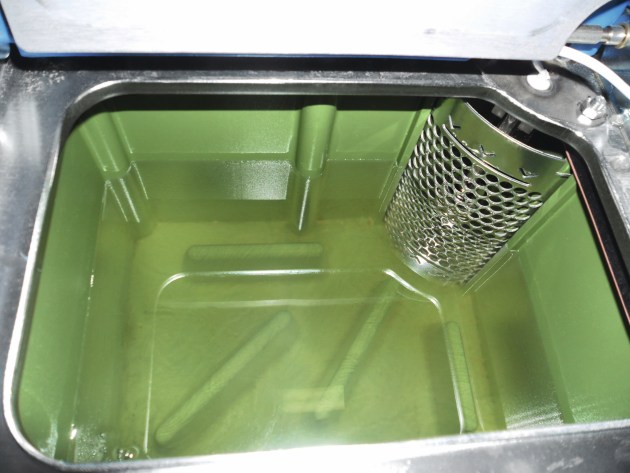
When overheated or left in the melter for extended periods of time, traditional hot melts are prone to degradation which can result in charred fragments causing plugged nozzles or pop opens during production. These problems undoubtedly increase machinery downtime and operational cost, which hurt the efficiency of manufacturing.
Fortunately, it is possible to have the choice of low application temperature hot melts, which can help overcome such issues.
One of the world’s leading adhesive manufacturers, Henkel, plays a role in reducing environmental impact, improving production efficiency and worker safety with its latest development – Technomelt Cool hot melt adhesives. It can be applied at lower temperatures – up to 40 per cent less compared to conventional hot melts.
“Laboratory research and tests at our customers have confirmed that every 20°C decrease in hotmelt application temperature halves its chemical reaction speed,” said Gunter Hoffmann, head of hot melt R&D Henkel.
“This leads to multiple processing and performance benefits, like better thermal stability, shorter machine start-up time, longer usability of the adhesive and last but not least, lower risk of char build-up leading spare part cost savings.”
This reduced application temperature maintains adhesive stability, prolongs equipment life, decreases maintenance costs and improves start-up times.

Melting point is 38°C less than conventional hot melts, the TECHNOMELT Cool drops below burn temperatures nine times faster and avoid potential burn hazards.It requires less energy to melt and enables manufacturers to reduce the brand owner’s carbon footprint along the lifecycle of the adhesive.
At the same time, the adhesives are easy to apply and cure fast. This combined with the minimized maintenance intervals results in improved overall performance of the packaging line.
Additionally, the lower melt point makes Technomelt Cool adhesives suitable for temperature-sensitive contents like frozen foods and confections and reduces the risk of heat transfer.
For more information, visit www.henkel-adhesives.com or email: solutions@henkel.com.


