


New Zealand-based brand Ethique has launched its first lipstick range in signature plastic-free, home-compostable tubes, lined with plant wax.
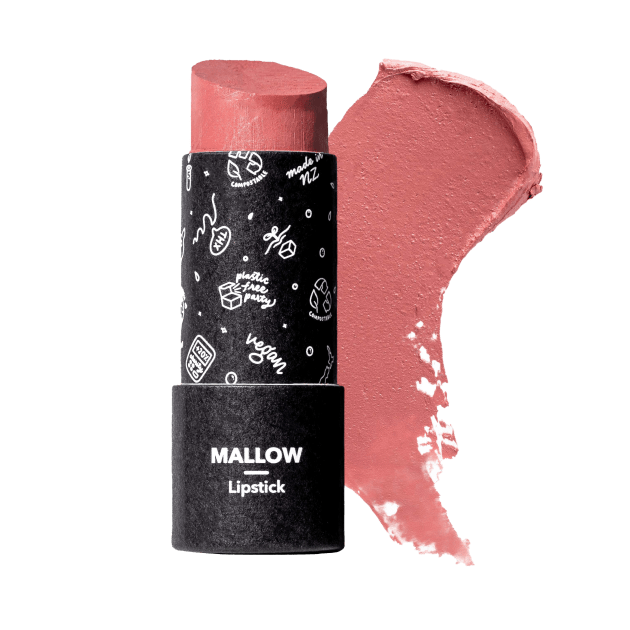
The company says its long-wearing, home-compostable seven-shade lipstick range contains high quality, direct trade and regeneratively produced ingredients, with packaging that is both compostable and recyclable.
It claims that each new long-wearing high-performance lipstick is the equivalent of two to three traditional ones, and can save up to three plastic lipstick tubes from manufacture and subsequent disposal.
According to Ethique, an estimated 900 million lipsticks, generally packaged in plastic, are sold each year and will eventually be disposed in landfill. It anticipates that its new home-compostable lipstick range will tackle some of the waste and harm associated with cosmetics.
“The cosmetics industry currently uses huge volumes of palm oil, associated with devastating deforestation and habitat destruction, and types of pigments and mica associated with child labour,” says Ethique, confirming that its new long-wearing bold-coloured lipstick brand was manufactured to impact both people and the planet.
Made from Moringa (from local producers in Rwanda), castor oils, candelilla and carnauba waxes, the lipsticks contain no petrochemical-derived dyes.
Ingredients are carefully sourced and directly traded to ensure suppliers receive fair prices, good working conditions, a source of income during the off-season and the support to thrive, and its home-compostable tube lined with plant wax naturally breaks to support new growth.
Until now, the brand has been best known for its range of high-performance beauty bars for hair, face and body. Its products are formulated in line with the brand’s environmental standards, and are certified vegan, palm oil-free, plastic-free and cruelty-free.
Ethique has been 100 per cent plastic-free since its inception in 2012. Its shipping boxes and padding are free from laminates and plastic, labels and packing tape are recycable, and says that it’s “proudly carbon neutral”.


