
• AZ-Pak Systems' installation at a large Sydney company’s new plant has doubled its production output.
    AZ-Pak Systems' installation at a large Sydney company’s new plant has doubled its production output.
Close×

Newcastle-based AZ-Pak Systems, automated packaging specialists, has executed an integrated bagging and end-of-line installation for a large Sydney company’s new plant, in turn doubling their production output.
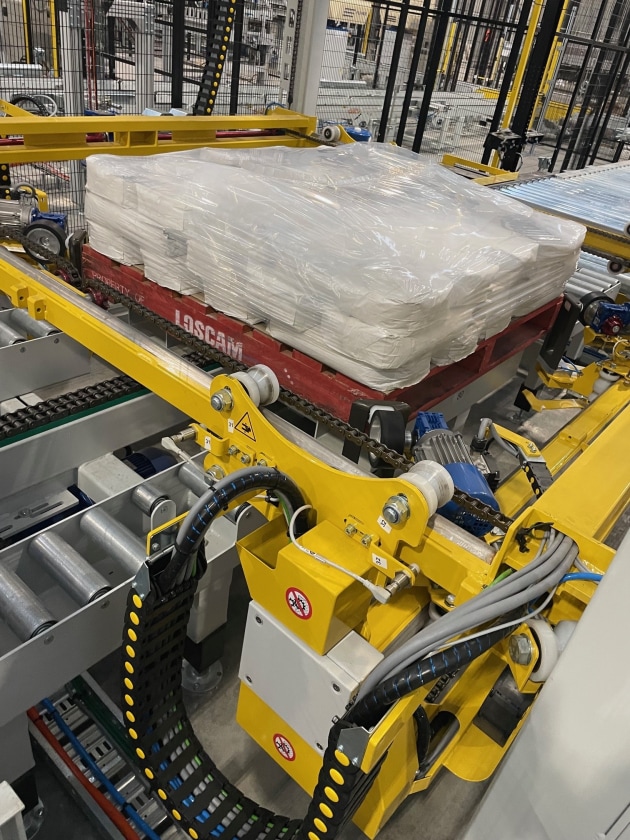
AZ-Pak Systems supplied two lines complete with bagging conveyors, robot palletisers, pallet dispensers, slipsheet dispensers, and a number of pallet conveyors – all leading to an in-line stretch hooder.

AZ-Pak Systems supplied two lines complete with bagging conveyors, two Fuji-Ace EC-171 robot palletisers (1000b/h each), two pallet dispensers, two slipsheet dispensers, and a number of pallet conveyors – all leading to an in-line stretch hooder.

“The brand-new installation has been going very well. The company has since doubled its production output and are able to produce two different types of products together – saving on extra shifts and manpower,” said Steve Fowles, managing director at AZ-Pak Systems.

With over 30 years in the packaging and materials handling industries, AZ-Pak Systems offers sought-after experience and insight into the specialised field of robotics and automated packaging machinery.

Food & Drink Business

The snack food landscape is changing in Australia. Ingredient lists, long dominated by ultra-processed foods (UPFs), are under ever-increasing scrutiny by experts and consumers alike. As regulation looks to catch up, brands and industry swing between competition and opportunity. Adam Elharte from snack bar company, Viva Perfetto writes.

Wide Open Agriculture (WOA) has released independent CSIRO testing of its lupin kernel fibre as it looks to turn a by-product of its protein process into a second saleable ingredient. The move will shore up the manufacturing model it is currently rebuilding.

Bubs Australia recorded 9.2 per cent revenue growth in FY26, driven by a 24 per cent increase in its US business, but higher airfreight, regulatory and tariff costs pushed the infant nutrition company to an EBITDA loss of $1.8 million.