


This Sunday's edition of Channel 9 TV show 60 Minutes is set to send shockwaves through the country, with what it says is a major exposé of Australia's plastic recycling crisis, and showing what it claims are the scams used to convince an unwitting public that their recycling efforts are valid.
Describing the current plastic recycling sector as 'the biggest con of all time' the show says Australian consumers are 'all being played for fools'.
For the past 20 years Australia, in common with much of the rest of the western world, sent its used plastic to China, Vietnam, Malaysia and India to be 'recycled'. However once there the plastic was often simply buried, burned or left in piles, but conveniently out of sight of Australians.
Now those countries have all just closed their doors, leaving Australian plastic recycling, film in particular, with nowhere to go. While there is some recycling capacity for PET, HDPE and cartons, there is very little for plastic film.
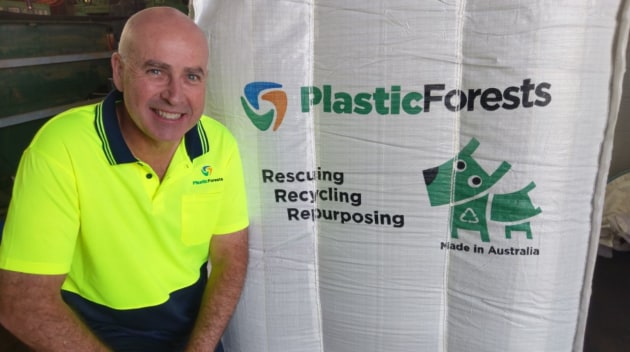
David Hodge, managing director of Australia's biggest contaminated film recycling business Plastic Forests, who features on the show, told PKN, “We are now drowning in a sea of plastic. Australia generates around 500,000 tonnes of plastic film every year, and we only have the capacity to recycle between 20,000 and 50,000 tonnes. With contaminated film the figures are dire, we recycle less than one per cent of it.”
Contaminated plastic film is typically associated with the food industry, meat products particularly, but other areas such as agriculture are equally in strife, as Australian farmers are no longer able to export their waste plastic for recycling.
Hodge said, “We have a failure of policy and industry, which will be highlighted on the show. Now the Asian countries have said no to western waste the lack of planning has been thrown into sharp relief. China announced years ago that they were going to tighten up but little was done, and now the chickens are coming home to roost.”
According to Hodge the industry is in a blame game, with retailers, business, government all pointing the finger at each other. He says, “There needs to be serious government investment in the plastic waste recycling sector, GST relief, and legislation to promote the purchase of recycled plastic products. We need a co-ordinated stewardship programme, like the current container deposit scheme.”
60 Minutes is on Channel 9 this Sunday at 7pm.


