



Tip Top has introduced 100 per cent recyclable cardboard bread tags, made from recycled material, which launches in South Australia today.
The initiative will see 11 million plastic bread tags removed from waste streams by the end of 2021, with an aim to eliminate around 400 million plastic tags per year as it rolls out nationally.
Tip Top ANZ director of sales and CSR lead Graeme Cutler said the goal is for all Tip Top packaging to be 100 per cent recyclable, reusable or compostable by 2025.
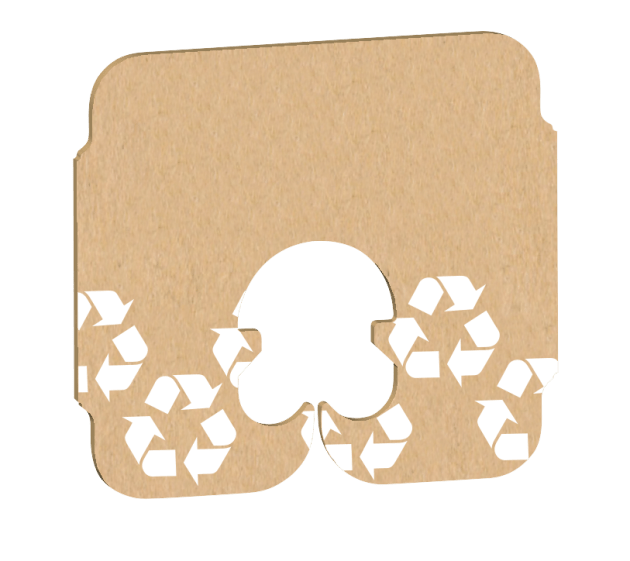
“Developed and produced through rigorous testing, the new sustainable bread tags promise no compromise on freshness and taste. Customers can expect to be provided with the same Tip Top quality that millions of Australians enjoy freshly baked every day and have trusted since 1958,” said Cutler.
The carboard bread tags can be placed in kerbside recycling bins, with the company encouraging consumers to “tuck the tag securely inside other paper or cardboard products, such as an envelope or paper bag, giving them the best chance of being recycled into a new product rather than being sent to landfill”.
South Australia is the first state to see the rollout of the tags on Tip Top products, with a national rollout expected to be complete by the end of 2021.


