Tray sealing specialist Proseal has helped Asian-inspired healthy food brand itsu diversify into the retail market, with its new 'Heat & Eat' range now on shelf in major UK supermarkets.
Using the advanced facilities of Proseal’s Test Kitchen, itsu has been able to produce microwaveable packaging for its new ‘Heat & Eat’ range, which includes gyoza, bao bun and ‘hotsu postu’ recipes.
Proseal worked closely with itsu throughout the product development stage, trialling different tray concepts, materials and processes to identify the best packaging solution, which was in keeping with the itsu brand and ensured complete product compatibility to maintain the high quality and freshness of the itsu products.
Following this, Proseal produced sample packs for presentation to a variety of retailers.
“We needed a pack format that created the right impression on-shelf, while offering maximum convenience and ease of use for the consumer,” explained Bryony Roberts, packaging development manager at itsu.
“Proseal provided invaluable support in developing a process that exactly met our criteria, while also being able to provide quality equipment that meets the needs of our busy production line.”
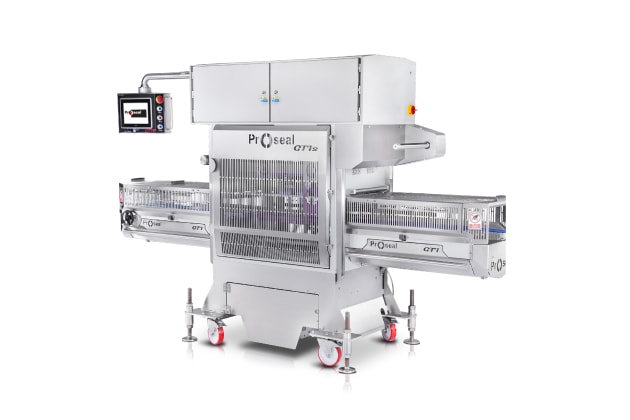
The company has now commissioned tooling for the three chosen tray designs, suitable for high-speed filling on its GT1 tray sealing machine.