


HMPS will be exhibiting and offering automation advice at the CBIA Craft Brewers Conference in the Adelaide Convention Centre next month.
The Australian owned company says automation can play a major role in lifting production and increasing profits for brewers in this segment.
Traditionally, craft brewers are often skeptical about automation and wary of the costs, HMPS Mark Emmett says.
“The fact remains that craft beer is a labour of love and automation means more distance between the brewer and his beer,” he says.
"To grow market share and remain competitive, automation needs to be considered.
"While it is seldom that any craft brewer would go all out on automation in one go, the stages need to be investigated and engaged.
"HMPS specialises in packaging and understand that a craft brewer is a different breed of customer all together.
"A noticeable trend is to start small with bottling conveyers and capping machines, and work up to case packer and palletisers."
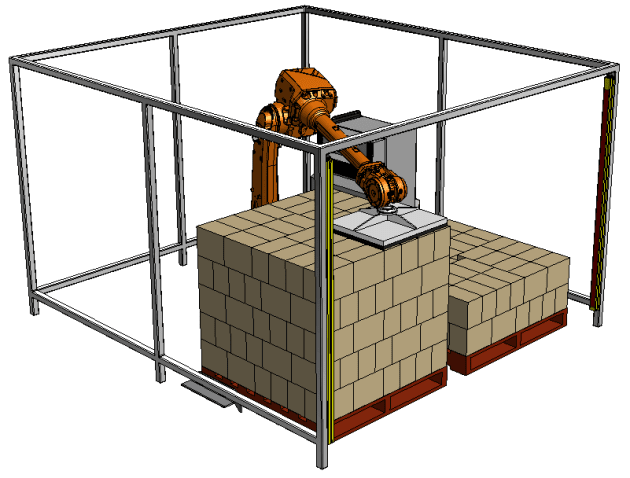
The degree of automation often depends on the size of the craft brewery, according to HMPS.
"For all sizes, consistency is a primary goal," Emmett says.
"Fewer brewers always leads to higher consistency because there’s less chance for human error.
"In smaller breweries, consistency comes with the nature of the job as a limited number of refined experts have control over the process.
"But as breweries grow, automation enters the picture to maintain this consistency and reduce how many hands touch the product."
HMPS meets with craft brewers and provides automation advice by doing a study of their current production facilities.
They provide them with output speeds and productivity improvement figures so they are able to measure the level of profitability possible using various case scenarios.
HMPS is able to repurpose old machines, integrate existing machines into new systems, and sometimes even sell old machines.
The company specialises in bespoke solutions so the automation is scalable according to the customer’s requirements.
Furthermore, they offer maintenance on machinery, even if it is not their own product.


