

In a limited-time promotion in the UK, HP and Nestlé have partnered to deliver a personalised KitKat packaging experience.
Never before has packaging carried so much weight in creating a consumer connection and brand value as with the onset of digital pack printing. Indeed, the heady-paced move of digital technology into the packaging space has opened a new vista for brand owners, designers and printers when it comes to on-pack messaging and the user experience.
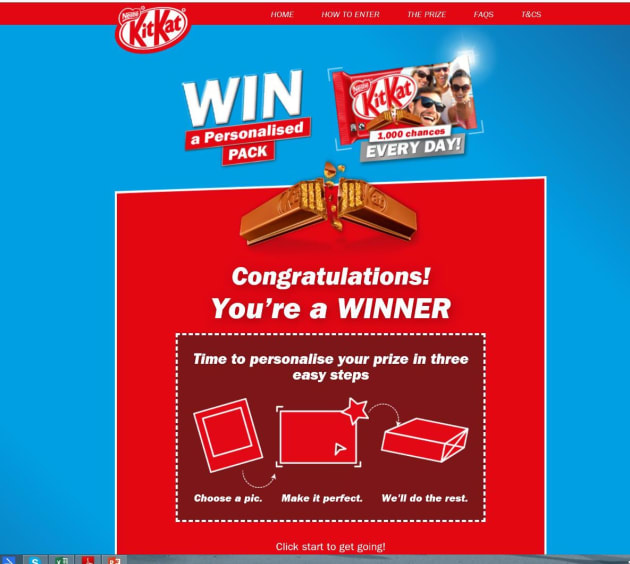
In line with the growing trend for web-to-print personalisation in print and packaging, the KitKat campaign run during February and March offered consumers (1000 winners per day) the opportunity to design their packaging directly online.
Consumers could enter a unique code to “win” a personalised bar. The code was found inside the conventional foil wrapper.
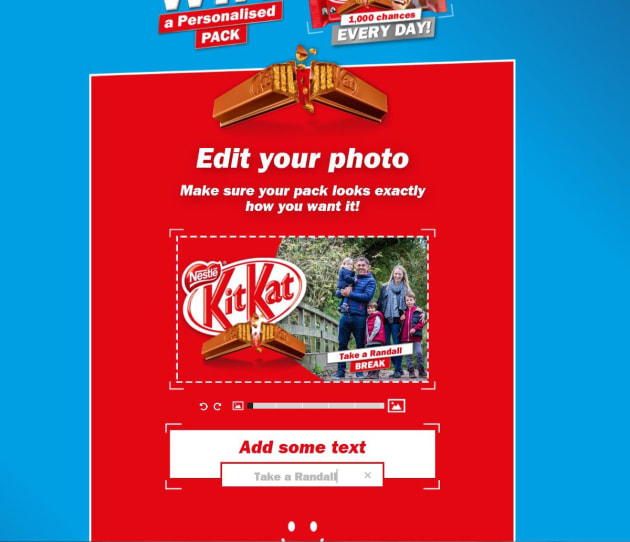
The winners could add a photo or a ‘break phrase’ of their own onto a personalised 4-finger KitKat pack, and these would be shipped to them in a special presentation box.
The print service provider was Ultimate Print, the flexible wrapper was printed on an HP Indigo 20000.
Gido Van Praag, VP & GM, Graphics Solutions Business, HP Europe, said: “As marketers continue to look for ways to win at the shelf and truly connect with their audiences, we will see digital packaging continue to rise in popularity. Nestlé’s latest campaign is a testament of the growing trend of personalised packaging, and we are honoured to support such initiatives with our Indigo technology.”


