



The 2024 Labelling & Decoration Design Award recognises the addition of content to a pack which creates a unique or innovative appearance, function or communication. This may include labels, sleeves, tags, coding/markings, etching, directly applied inks or by any other similar process.
Entrants in this category demonstrated the value of artistry and aesthetics in packaging design, along with interactive connectivity, to engage the consumer in the brand story while driving home the sustainability credentials of the packaging.
And the winners are...
The Bronze Award went to Art Series and Indigenous Art Series BioCups by BioPak; while the Silver Award went to Sealed Air Personalised Smart Pouch by Sealed Air New Zealand.
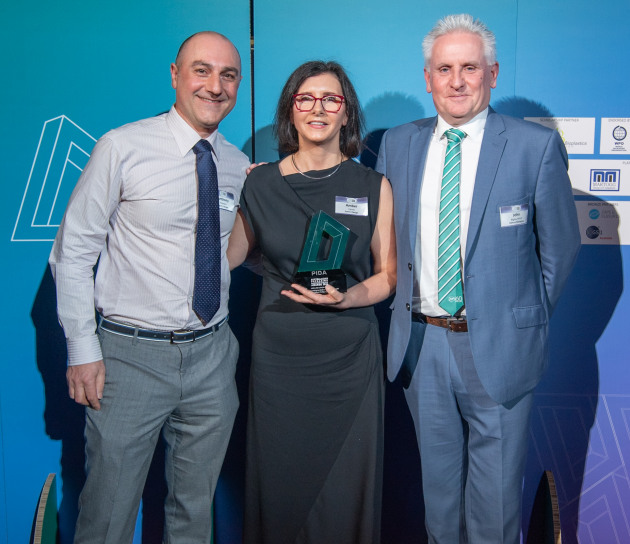
Taking out the Gold Award was Whistler – Avian Intelligence Birdfood Range for Fibrecycle by Zipform Packaging.
About the Gold winner:
With 'People, Pet, Planet' as its guiding principle, Fibrecycle recognises that environmental sustainability is rapidly becoming the number one issue for many companies globally and it was clear that a sustainable packaging solution was required for its updated Whistler bird food range.
Zipform Packaging's innovative non-round shaped rigid composite pack provided not only a sustainable solution, but also a novel storage cannister for bird food.
This is the first time a linear formed composite pack has been used in the bird food category.
The Zipform Packaging pack used for this range consists of over 90 per cent fibre content, including more than 60 per cent post-consumer recycled content, which in conjunction with a water-based adhesive and paperboard base creates a primary pack which is kerbside recyclable.
Zipform says the shape also provides an improved inbound and outbound logistics outcome versus a round equivalent, delivering over 10 per cent savings due to the packing efficiency of this shape. The non-round overcap provides an excellent close/reclose system for the pack.
To heighten consumer engagement, a QR code was also integrated onto the back of pack to direct consumers to the Whistler Website. The Australasian Recycling Label (ARL) has been used on pack to reflect the kerbside recyclability of the pack and the fibre overcap. The lidding film that issued for sealing post filling is also recyclable and the ARL reflecting this is ‘check locally’.
The new design is a celebration of the brilliance of birds. Their noise, movement and song are captured through a dynamic radial illustration of leaves, seeds and musical notes that burst from the brandmark. The mid-blue range colour references nature and sky, but also grounds the design by cueing authority and trust.


